
Avoiding Secondary Damage: Why a Quick Storm Damage Assessment is Key in Columbus
June 14, 2026
•
Written By
iGreen Solutions

When severe weather sweeps through the Columbus area, checking your property for exterior issues is a natural reaction. While fallen trees and missing shingles are easy to spot, the true threat to your home often hides completely out of sight. High winds and hail can fracture shingle mats, loosen flashing, and compromise valley seals without causing immediate internal leaks. If these subtle vulnerabilities go unexamined, the next rainfall will quietly soak your attic insulation, rot your rafters, and trigger destructive mold growth within 24 to 48 hours.
Preventing extensive property degradation requires a rapid, thorough response immediately following a weather event. A professional storm damage assessment provides a clear, detailed overview of your home’s structural health before minor vulnerabilities escalate into major structural failures. This proactive approach ensures your living spaces remain secure while providing the data you need to navigate your insurance recovery. This guide will cover how hidden water entry spreads, why independent evaluations protect your equity, and how to stay ahead of long-term property decay.
At iGreen Solutions, we provide local homeowners with expert guidance, honest recommendations, and reliable exterior service from the first check to final hand-off.
Key Takeaways
- A professional storm damage inspection identifies hidden entry points before interior rot begins.
- Independent assessments provide the objective physical evidence required to support insurance claims.
- Routine post-storm evaluations help prevent expensive out-of-pocket roof damage repair bills later.
The Real Cost of Delayed Exterior Assessments
In the aftermath of intense weather, many property owners hesitate to request an expert look if they do not see water dripping from their living room ceilings. This delay is a primary cause of severe damage to secondary homes. Water intrusion rarely stays isolated to the point of impact. Instead, moisture travels downward along framing members, rotting structural wood and destroying drywall far away from the original exterior puncture site.
Home insurance premiums have risen steadily in recent years, making it more important than ever to maximize the policy benefits you pay for. Most insurance companies enforce strict time windows for reporting weather-related claims, and some will deny coverage entirely if they believe a leak was worsened by owner neglect or lack of ongoing maintenance. Securing a timely, documented evaluation demonstrates to your adjuster that you acted responsibly to preserve the property, helping ensure you receive the full scope of coverage you are rightfully owed.
What Are The Important Factors to Consider for Post-Storm Recovery?
Before moving forward with exterior restoration, it helps to evaluate the situation using a safe, structured strategy.
- Personal Safety: Never climb a ladder to inspect a roof yourself after a storm. Loose granules and wet surfaces make roofs incredibly slick, and hidden structural soft spots can fail underfoot.
- Independent Fact-Finding: Insurance adjusters work to protect their company's bottom line. Having an independent assessment gives you an objective baseline rooted strictly in the physical facts.
- Scope of Evaluation: A comprehensive check must extend beyond the shingles to include entry doors, windows, siding panels, gutters, downspouts, and attic ventilation paths.
- Documentation Quality: Accurate claims depend on clear proof. Ensure your contractor provides timestamped photographs and a detailed written description of all weather-related impacts.
- Contractor Reliability: Storm events often attract out-of-state "storm chasers" who use high-pressure sales tactics. Always choose a trusted local contractor with strong roots in the community.
If you suspect your home has sustained wind or hail impacts, arranging a professional review is the safest way to establish your next steps.
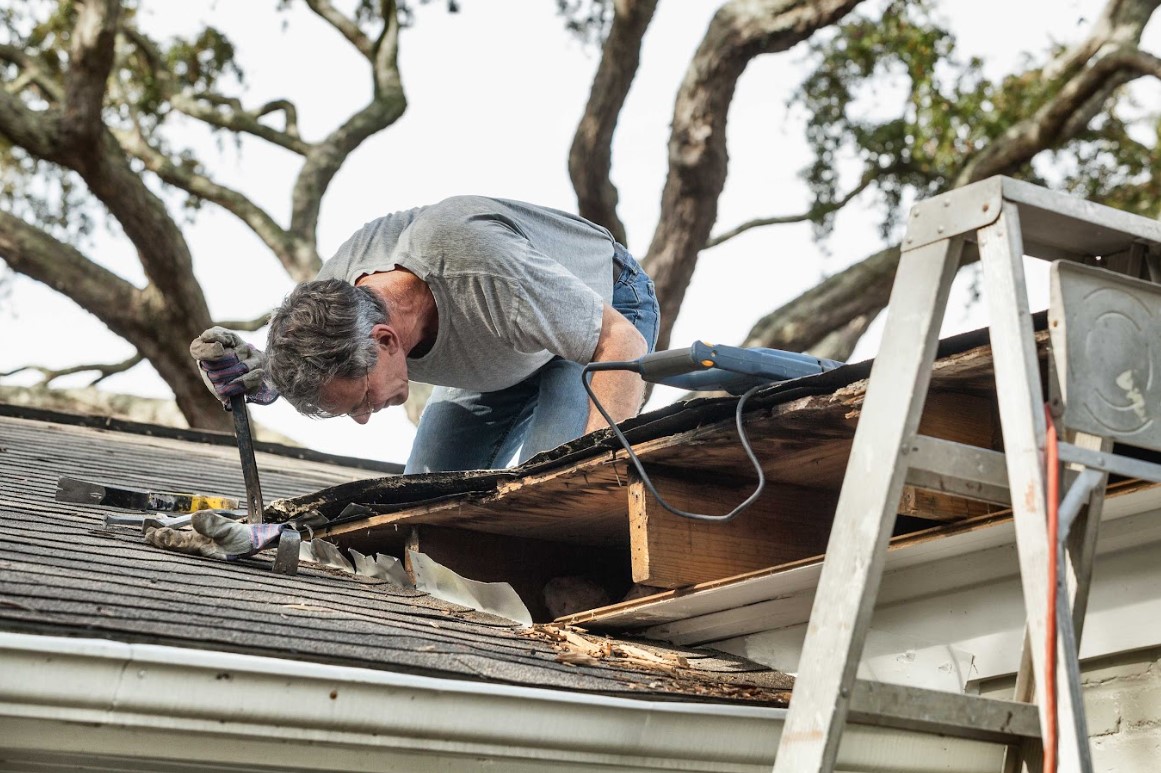
Critical Checkpoints During a Professional Assessment
A detailed physical check ensures every point of vulnerability along your roofline is completely accounted for and documented.
Complete Roof Deck Evaluation
Inspectors look closely for circular hail fractures, displaced shingles, lifted ridge caps, and compromised valley flashing that allow water to collect underneath the system.
Gutter and Downspout Functionality
Heavy wind and debris can bend brackets and pull gutter lines away from the fascia board, leading to direct water overflow against your home’s foundation walls.
Siding and Trim Integrity
Hail and flying branches can crack vinyl panels or dent aluminum trim, creating narrow entry points where driving rain can seep directly behind your exterior walls.
Attic Ventilation and Moisture Levels
Checking the interior attic space reveals hidden structural deck stains, wet insulation batts, and blocked soffit pathways that restrict required airflow.
Window and Door Seals
High wind pressure can fracture perimeter caulking and damage window screens, leading to slow leaks around frames during normal seasonal downpours.
Identifying these specific issues early allows you to plan targeted fixes before hidden water degradation spreads throughout your household.
Storm Damage Inspection FAQ for Columbus Homeowners
Why should I get an independent inspection if my insurance company sends an adjuster?
An independent inspection provides a neutral, fact-based report detailing all damage, helping you negotiate fairly and ensuring the adjuster does not overlook hidden issues.
Can hail damage my shingles without causing an immediate interior leak?
Yes, hail knocks away the protective mineral granules on asphalt shingles, exposing the fragile underlayment to sun and rain, causing the material to fail prematurely.
How long do I typically have to file a storm damage roofing claim in Columbus?
Timeframes vary by insurance provider, but most policies require you to report storm damage within one year of the event. Acting quickly makes it much easier to document the cause.
What happens if I skip an inspection and fix a small leak myself?
If you patch a leak without checking for hidden moisture, trapped water can continue to rot your roof deck and support framing, leading to expensive mold problems later.
Will my insurance premium go up if I request a storm damage inspection?
Simply requesting a professional inspection to assess your property’s condition will not affect your premium. Inspections are a standard part of responsible home maintenance.
Take Control of Your Home’s Recovery Today
Severe storms are stressful, but catching the damage early keeps your household safe and preserves your property value. Investing in a prompt storm damage assessment gives you the answers you need to stop leaks, protect your insulation, and secure the full insurance coverage you deserve.
At iGreen Solutions, we guide Georgia and Alabama homeowners through every step of post-storm care with clear communication, objective facts, and top-tier craftsmanship. Schedule an inspection with our specialized local team today to confirm your roofline is fully prepared for the changing seasons.
Recent Articles

Residential Roofing
Mold After a Roof Leak: What Georgia & Alabama Homeowners Should Know
Mold can take hold within 24 to 48 hours of a roof leak in Georgia and Alabama's humid climate. Here is how to spot it early and what real inspection and remediation involve.
September 16, 2026
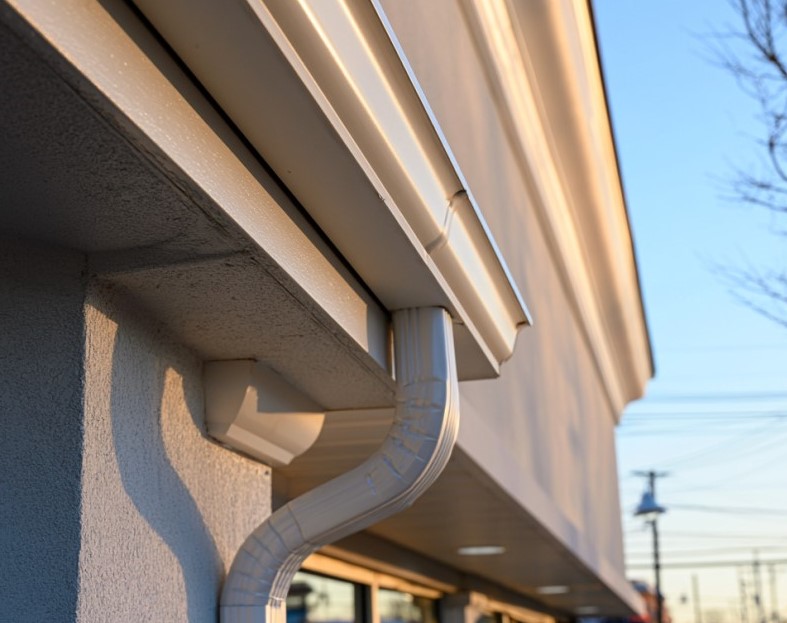
Commercial Gutters
Protecting Your Commercial Property: PVC Gutters and Hail Damage in Montgomery, AL
An educational guide for Montgomery property owners on how PVC gutters and commercial drainage systems withstand hail, prevent storm damage, and protect building foundations.
August 20, 2026
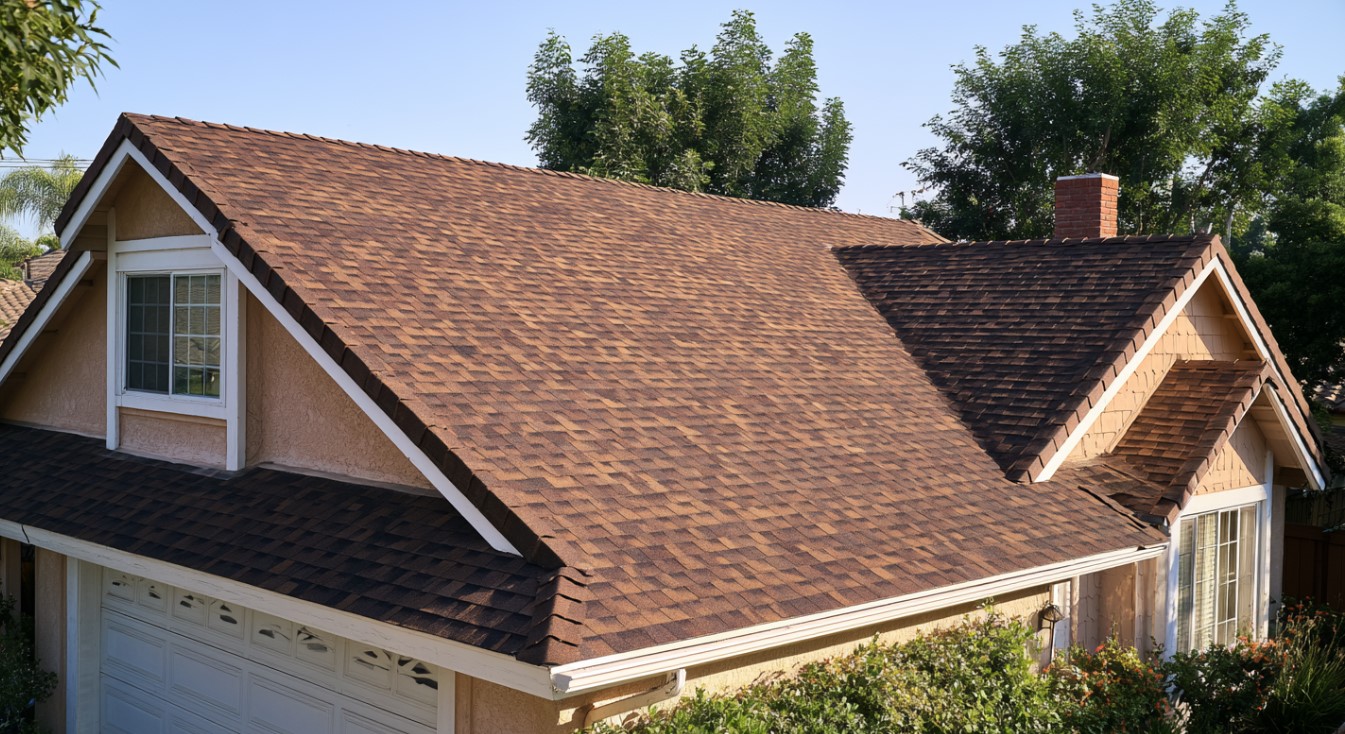
Residential Roofing
Preventing Summer Wear: Shingle Replacement and Heat Mitigation in Montgomery, AL
An educational guide for Montgomery homeowners on preventing summer roof wear, choosing energy-efficient replacement shingles, and optimizing attic ventilation to lower cooling costs.
August 10, 2026
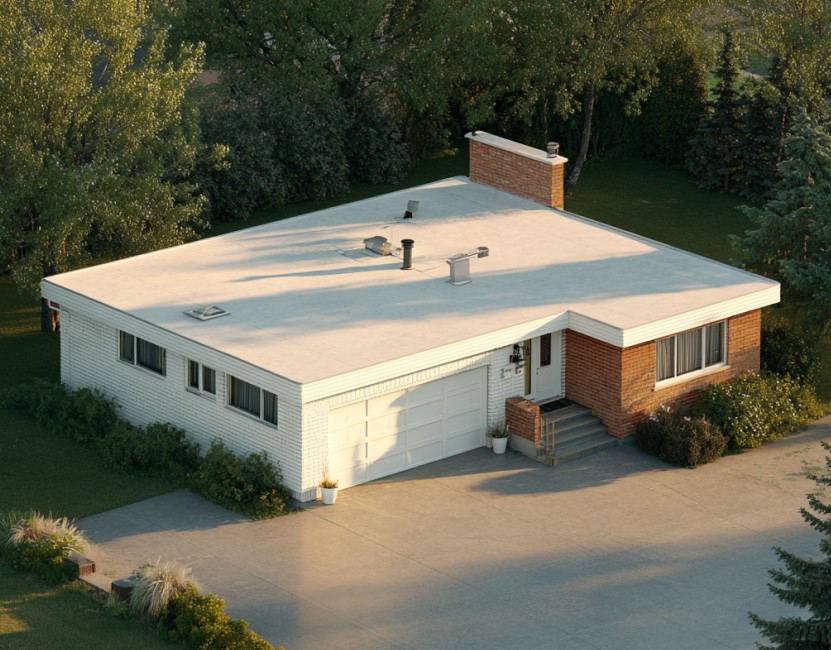
Residential Roofing
Residential Flat Roofing and Wind Resistance: What Montgomery Homeowners Need to Know
An educational guide for Montgomery homeowners explaining how residential flat roofing systems handle high-wind storms, wind-resistant roof repair options, and how to protect low-slope structures.
July 16, 2026