
Residential Flat Roofing and Wind Resistance: What Montgomery Homeowners Need to Know
July 16, 2026
•
Written By
iGreen Solutions
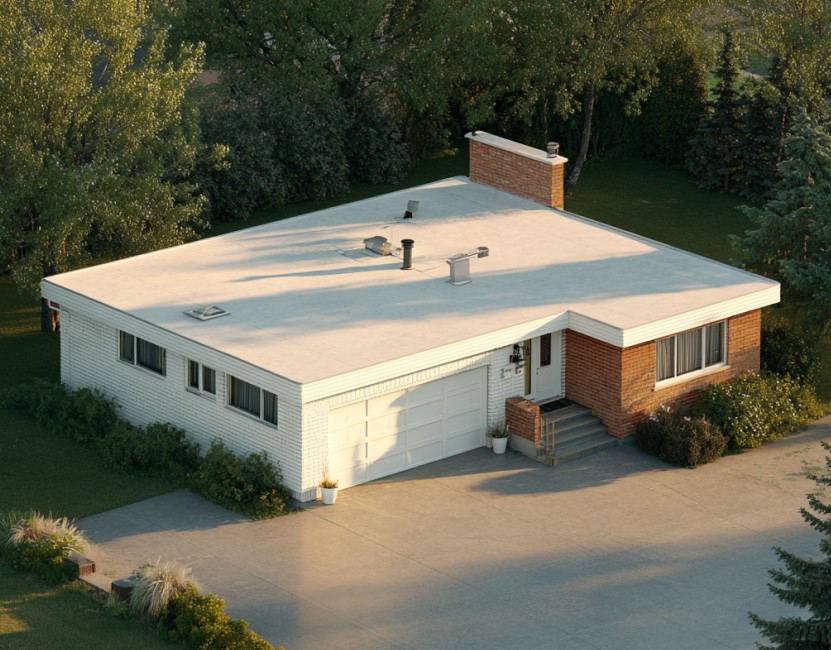
When severe weather rolls through Montgomery, homeowners with low-slope structures face a unique set of structural challenges. While traditional steep-sloped roofs rely on gravity to shed water and shingles to divert wind, residential flat roofing in Montgomery, AL functions as a continuous, sealed waterproof membrane. During intense storm cycles, high-velocity winds create a powerful low-pressure zone directly above these flat surfaces. This pressure differential generates a massive upward force known as wind uplift, which tests every seam, fastener, and perimeter flashing along your roofline.
Allowing small structural vulnerabilities to go unnoticed after a high-wind event can lead to severe property degradation. Left unaddressed, hidden membrane tears allow rainwater to seep beneath the insulation layers, quietly rotting your wooden roof deck and ruining interior ceilings long before a major drip appears. Managing this risk requires a prompt, detail-focused approach to exterior maintenance. This guide will walk you through how flat roofs handle wind pressure, your top low-slope material options, and how to secure reliable wind-resistant roof repair in Montgomery when a storm hits. At iGreen Solutions, we guide property owners through every step of exterior care with honest recommendations, clear communication, and dependable workmanship.
Key Takeaways
- Flat and low-slope roofs experience extreme wind uplift forces during intense local storms.
- Secure perimeter flashing and proper deck attachment are critical to preventing membrane blow-offs.
- Independent post-storm evaluations help property owners spot hidden structural tears early.
The Mechanics of Wind Uplift on Low-Slope Roofs
Wind damage on a low-slope roof operates differently than it does on standard asphalt shingles. As powerful storm currents push across a flat building surface, the air accelerates as it hits the edges and corners of the structure. This rapid airflow creates a vacuum effect that pulls directly upward on the roofing membrane. If the underlying insulation boards or the weather surface itself are not mechanically fastened or fully adhered to strict engineering standards, the entire system can peel back.
In Montgomery, where seasonal storms frequently bring sudden, intense wind gusts, edge metal and flashing terminations serve as your primary defense line. If wind gets underneath a loose edge strip, it acts like a parachute, lifting large sections of the membrane in seconds.
Cumulative exposure to high summer temperatures can degrade older adhesives over time, making older flat roofs more vulnerable to seam failure during high-wind events. Regular perimeter inspections ensure these high-stress areas stay tightly sealed, preventing catastrophic wind failures.
Important Factors to Consider for Flat Roof Durability
Before selecting a low-slope system or scheduling repairs, it helps to evaluate your property's specific structural demands and material options.
- Wind Speed Zoning: Central Alabama building codes mandate exterior systems capable of handling significant wind pressures. Every component must align with these regional safety limits.
- Membrane Integrity: Modern options like TPO feature heat-welded seams that create a monolithic, uniform sheet, outperforming older taped systems under severe pressure.
- Drainage Integration: Because flat roofs have minimal slope, water must be directed toward scuppers or internal drains. Wind can push standing water under compromised flashing seals.
- Professional Installation Standards: Material performance is completely dependent on correct fastener spacing and temperature-controlled seaming. Deviating from these metrics voids your system ratings.
- Local Contractor Credentials: Low-slope systems require specialized commercial-grade equipment and training. Always partner with an experienced local flat roof contractor in Alabama to ensure lasting protection.
If your low-slope home has recently endured a severe storm cell, getting a professional assessment is the safest way to verify your system’s stability.
Low Slope Roofing Options Montgomery Properties Standard
Understanding the physical traits of modern flat roof materials helps you select the best long-term barrier for your home.
- TPO (Thermoplastic Polyolefin): A highly reflective white single-ply membrane featuring heat-welded seams. It delivers exceptional resistance to tears and wind uplift while lowering your summer cooling costs.
- EPDM (Ethylene Propylene Diene Monomer): A durable synthetic rubber roofing sheet that handles extreme temperature swings well. Seams are sealed with heavy-duty adhesive tapes designed for long-term water resistance.
- PVC (Polyvinyl Chloride): A premium single-ply option that offers excellent flexibility, chemical resistance, and incredibly strong hot-air welded seams suitable for complex residential roof shapes.
- Modified Bitumen: A multi-layer asphalt system reinforced with fiberglass or polyester modifiers. It is exceptionally tough against foot traffic and impact debris, applied using torch or cold-adhesive methods.
Matching the right membrane to your home’s layout guarantees optimal weather performance and maximum structural longevity.

Critical Checkpoints During a Wind Damage Assessment
A structured perimeter evaluation targets the specific failure zones unique to low-slope residential architecture.
Inspection of Parapet and Edge Metal Flashings
Crews check all metal gravel stops, drip edges, and termination bars to ensure fasteners have not backed out or loosened under intense wind pressure.
Evaluation of Seam and Lap Adhesion
Technicians meticulously review all field seams and wall flashings, looking for minor openings or pocket bubbles where wind uplift has started separating the material.
Assessment of Insulation Fastening and Attachment
Flat roofs depend on secure internal layers. Inspectors check for shifting insulation boards or loose deck attachments beneath the top waterproof membrane.
Verification of Core Drainage Pathways
All scuppers, collector boxes, and downspout attachments are cleared of storm debris and checked for watertight integration with the roof surface.
Identification of Sub-Surface Moisture Collection
Using specialized non-destructive tools, professionals check for hidden dampness beneath the membrane layer to trap leaks before structural deck rot sets in.
Focusing on these critical vulnerabilities keeps your home dry and prevents unexpected out-of-pocket restoration expenses after a severe storm.
Yes, Flat Roof Care Requires Specialized Expertise
Maintaining a low-slope home demands specific diagnostic skills and heavy-duty commercial materials. Taking proactive care of your roofline gives you the assurance that your household remains dry through every season.
- Best Prevention Step: Scheduling an annual professional perimeter check and keeping all roof drains completely free of tree debris.
- Most Common Issues: Separated membrane seams, loose edge metal flashings, and hidden sub-surface water pooling.
- Biggest Warning Sign: Bubbles forming in the membrane sheet, interior ceiling moisture spots, or loose metal trim along the roof edge.
If high winds have left your low-slope home vulnerable, contacting a specialized team is your single best line of defense.
Montgomery Flat Roofing FAQ
Is a flat roof more vulnerable to wind damage than a sloped shingle roof?
Flat roofs face higher upward lift pressures along their edges and corners during a storm, making proper mechanical fastening and edge security absolutely vital to resist blow-offs.
What are the main signs that my flat roof needs wind-resistant roof repair in Montgomery?
Look for loose metal trim along the roof edges, raised bubbles or tents in the membrane, separated seam lines, and water stains on your upper interior drywall.
Can an asphalt shingle roofer properly repair a TPO flat roof system?
Low-slope membranes require specialized heat-welding tools and commercial training. You should always hire a certified local flat roof contractor in Alabama to guarantee repairs are watertight.
How does a reflective white flat roof improve my home's energy efficiency?
White membranes like TPO reflect intense UV rays away from the building rather than absorbing heat, keeping attic spaces cooler and lowering your air conditioning costs.
What should I do if a storm punctures my residential flat roof membrane?
Contact an emergency storm damage roofer AL immediately to install a secure temporary patch or tarp, protecting your insulation and deck framing from active leaks.
Protect Your Living Space With Dependable Exterior Solutions
Low-slope storm recovery can seem complex, but addressing small structural issues today keeps widespread water degradation out of your home. Investing in a professional storm damage assessment protects your deck framing, preserves your interior insulation, and confirms your property is fully prepared for future seasonal weather changes.
At iGreen Solutions, we guide homeowners across the Montgomery, Atlanta, and Birmingham regions through every stage of exterior maintenance with honest guidance, clear timelines, and elite craftsmanship. Schedule an inspection with our specialized local team today to guarantee your flat roofing system remains completely secure for the decades ahead.
Recent Articles

Residential Roofing
Mold After a Roof Leak: What Georgia & Alabama Homeowners Should Know
Mold can take hold within 24 to 48 hours of a roof leak in Georgia and Alabama's humid climate. Here is how to spot it early and what real inspection and remediation involve.
September 16, 2026
Commercial Gutters
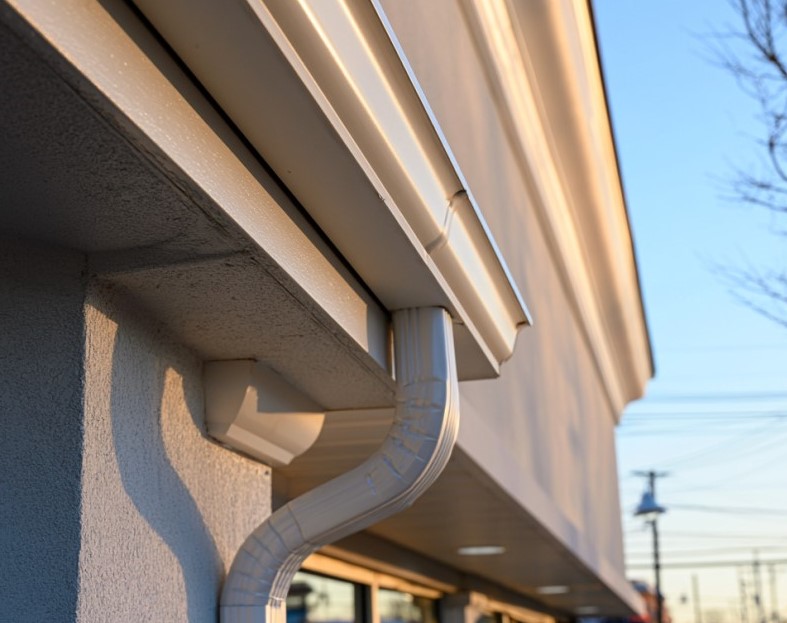
Protecting Your Commercial Property: PVC Gutters and Hail Damage in Montgomery, AL
An educational guide for Montgomery property owners on how PVC gutters and commercial drainage systems withstand hail, prevent storm damage, and protect building foundations.
August 20, 2026
Residential Roofing
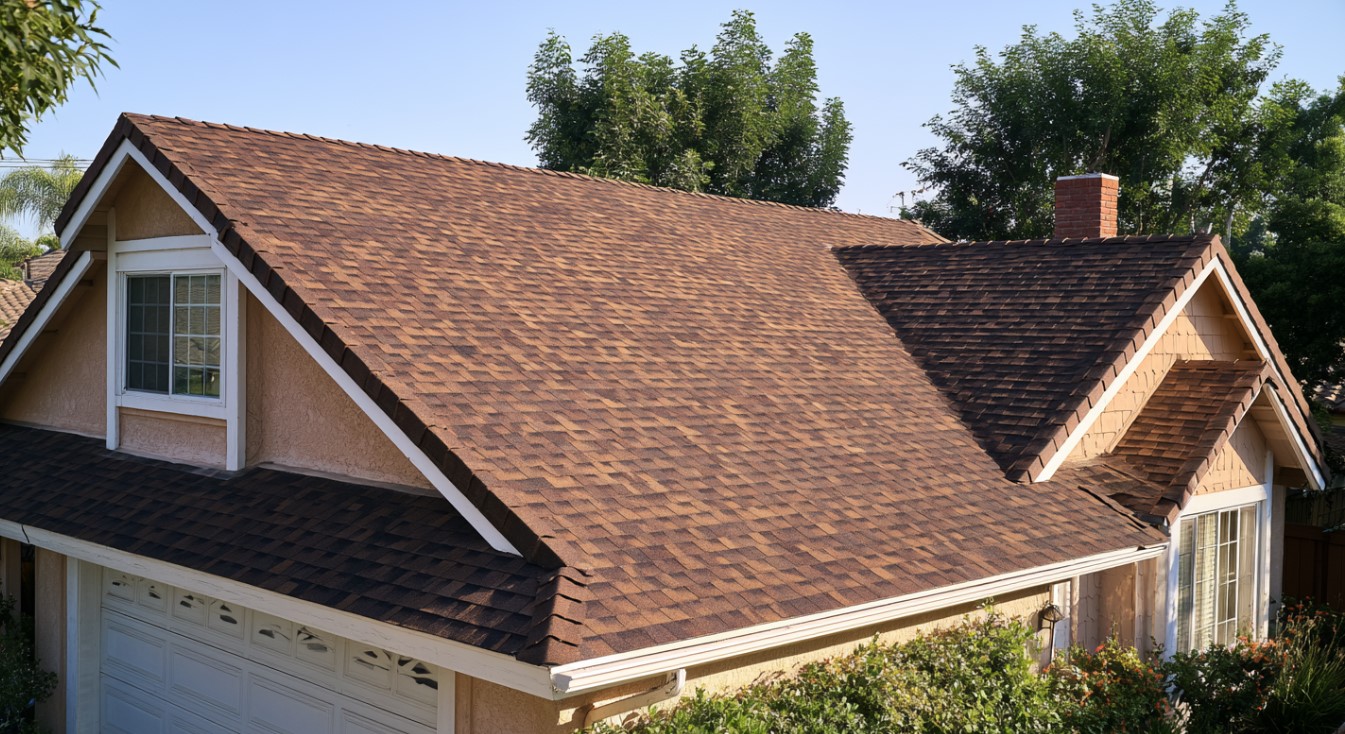
Preventing Summer Wear: Shingle Replacement and Heat Mitigation in Montgomery, AL
An educational guide for Montgomery homeowners on preventing summer roof wear, choosing energy-efficient replacement shingles, and optimizing attic ventilation to lower cooling costs.
August 10, 2026
Residential Roofing
Residential Flat Roofing and Wind Resistance: What Montgomery Homeowners Need to Know
An educational guide for Montgomery homeowners explaining how residential flat roofing systems handle high-wind storms, wind-resistant roof repair options, and how to protect low-slope structures.
July 16, 2026