Protecting Your Commercial Property: PVC Gutters and Hail Damage in Montgomery, AL
August 20, 2026
•
Written By
iGreen Solutions
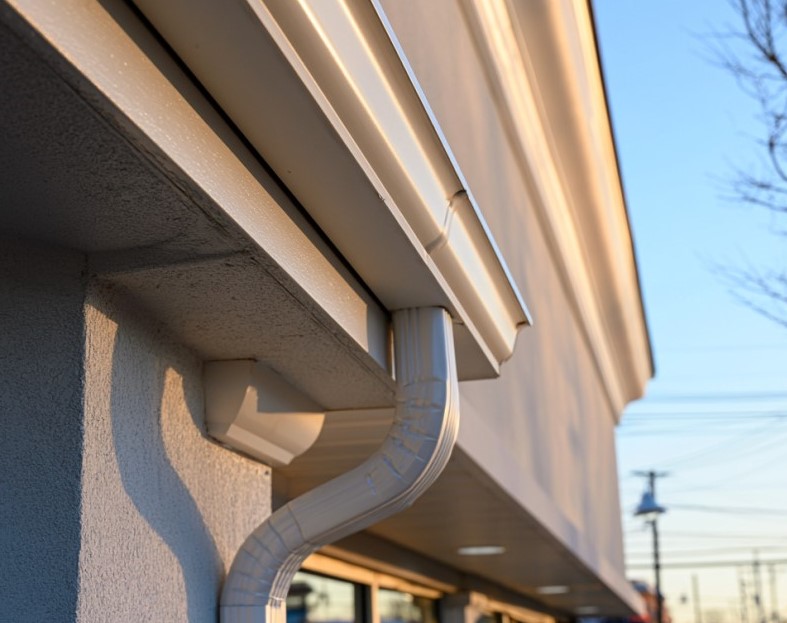
When severe weather moves through the River Region, business owners and property managers naturally focus on their primary roofing membranes. However, total commercial building protection relies heavily on the perimeter drainage systems designed to move massive volumes of water off your roof. Severe hailstorms and intense storm cycles directly threaten commercial roof drainage systems. Heavy hail strikes can crack standard metal gutters, loosen mounting brackets, and dent downspout lines, leading to sudden overflow during intense seasonal rainstorms. When water cannot leave a low-slope or flat roof quickly, it pools along the perimeter, accelerating structural wear and creating serious risks of water intrusion into your interior spaces.
Protecting your investment against unexpected weather requires durable, high-capacity drainage solutions tailored to Central Alabama's climate. A professional commercial gutter installation that Montgomery, AL business owners trust provides a robust line of defense that handles both extreme water volume and high-impact hail events.
At iGreen Solutions, we provide property managers and business owners with honest guidance, clear communication, and dependable commercial roofing services from initial inspection to final project hand-off.
Key Takeaways
- Hail impacts can dent traditional metal gutters or crack compromised drainage systems, leading to hazardous perimeter water pooling.
- Commercial PVC gutters offer superior impact resistance, chemical durability, and seamless performance on low-slope properties.
- Routine post-storm evaluations prevent small drainage blockages from causing expensive interior water damage and structural decay.
The Role of Commercial Drainage in Building Protection
Commercial roof drainage systems operate under far more demanding conditions than standard residential setups. Flat and low-slope commercial buildings feature vast surface areas that capture thousands of gallons of water during a single heavy downpour. Without proper drainage, this immense weight stays trapped on the roof deck, putting excessive pressure on seams, flashing details, and structural support beams.
The drainage system acts as the primary release valve for your entire roof. Whether your property utilizes exterior box gutters, internal scuppers, or perimeter PVC gutter channels, the goal remains the same: capture runoff immediately and direct it safely away from the building’s foundation.
In Montgomery, where severe summer heat is frequently followed by sudden, intense thunderstorms, temperature fluctuations cause roofing and drainage materials to expand and contract constantly. When hail enters the mix, the physical impact can dislodge brackets, fracture aged plastic, or sever seam seals. If the drainage path becomes restricted, water backs up underneath the roof membrane edges, leading to costly wall saturation, ruined inventory, and potential structural rot.
Understanding Hail Damage on Commercial Drainage Systems
Hailstorms in Central Alabama range from small granule-stripping ice pellets to large, high-velocity stones capable of causing immediate structural fracture. Understanding how hail affects different drainage components helps property managers spot issues before minor wear escalates into an operational emergency.
Physical Deformation and Dents
Traditional light-gauge metal gutters often sustain severe cosmetic and functional denting during a hailstorm. Large dents reduce the gutter trough's interior cross-sectional area, restricting total water-flow capacity and creating artificial dams where debris accumulates.
Cracked Joints and Failed Sealants
Hail's impact force vibrates the entire drainage assembly. This sudden movement can break caulked joints, pop rivets, and pull mounting fasteners directly out of the fascia board or parapet wall, causing active leaks along the building's exterior envelope.
Blocked Downspouts and Scupper Outlets
Hailstones often strip leaves, small branches, and roofing granules from the roof deck, sweeping them directly into the gutter troughs. This slurry of ice and debris quickly clogs downspout openings, forcing water to spill over the gutter sides and gather along the building's foundation.
Membrane Edge Separation
When gutters sag or detach due to hail weight and impact, they can pull perimeter flashing away from the roofing membrane. This opens a direct path for driving rain to seep underneath, which flat roof repair teams must address.
Important Factors to Consider for Commercial Gutters
Selecting the right drainage system for an industrial facility, retail strip, or multi-family complex requires evaluating several core operational factors.
- Water Volume Requirements: Commercial roofs require oversized troughs and downspouts engineered to handle peak regional rainfall rates without overflowing.
- Material Resilience: Drainage components must resist corrosion, chemical exposure from HVAC units, and high-impact forces like hail or wind-driven debris.
- Expansion and Contraction Flexibility: Long commercial gutter runs require flexible joints that accommodate thermal movement without cracking or pulling away from the building.
- Low Maintenance Demands: Business owners value systems that resist rust, don't require frequent repainting, and feature smooth interior surfaces that resist debris clogging.
- Code Compliance and Warranties: Installation must strictly adhere to local Montgomery County commercial building codes and meet manufacturer warranty standards.
Partnering with an experienced local commercial roofing company Montgomery County property managers trust ensures your drainage system is properly sized and installed for long-term reliability.
Why PVC Gutters Outperform Traditional Materials After Hail
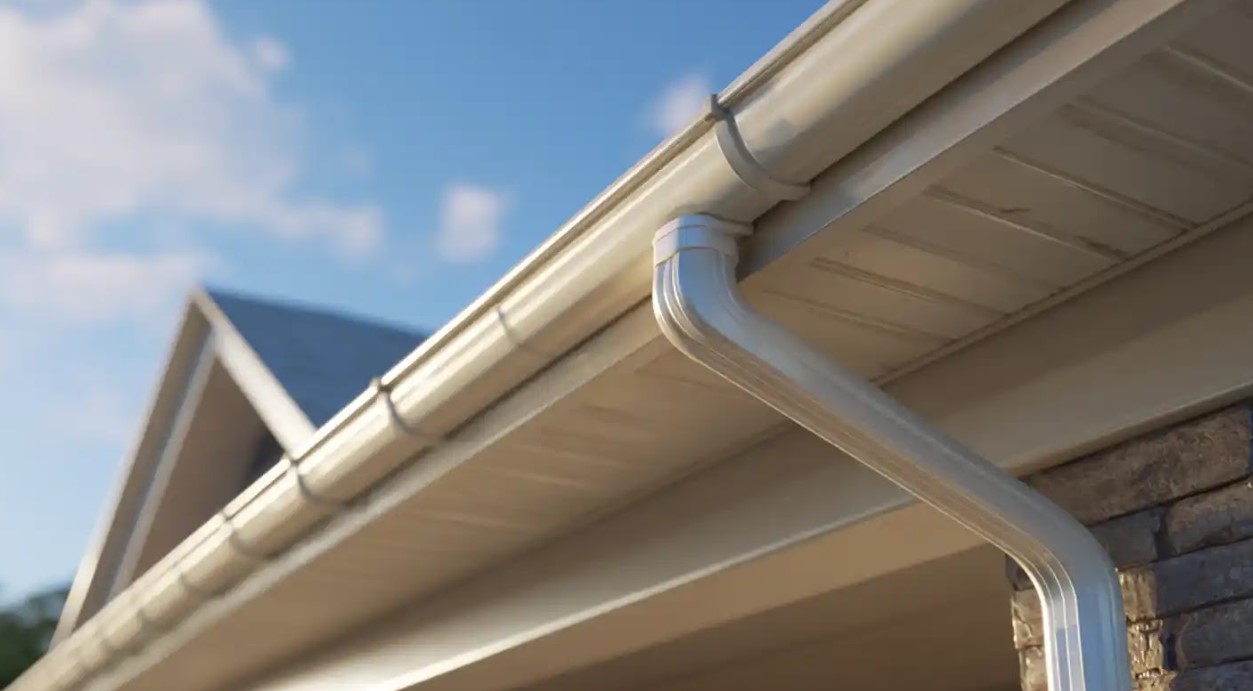
Polyvinyl chloride (PVC) has become an increasingly popular material choice for commercial and industrial roof drainage Alabama facilities rely on. Unlike traditional aluminum or galvanized steel, high-grade commercial PVC offers unique physical properties that make it exceptionally resilient against hail and harsh weather.
Impact Resistance and Flexibility
PVC is a dense, flexible polymer that bounces back from physical impacts. When hail hits a PVC gutter, the material flexes and regains its shape rather than denting or cracking like thin metal.
Complete Corrosion and Rust Resistance
Commercial PVC is completely immune to rust and chemical corrosion. It holds up exceptionally well against salt, atmospheric pollution, and standing water.
Monolithic Seam Strength
Modern commercial PVC gutter sections are solvent-welded or fitted with heavy-duty rubber gasket seals, creating a monolithic joint that resists breaking during thermal expansion or hail impacts.
UV Stabilization and Heat Endurance
Commercial-grade PVC formulations include advanced UV inhibitors that prevent the material from becoming brittle or discolored under the intense Montgomery sun.
Smooth Surface Flow
The non-porous, smooth interior of PVC troughs allows water and small storm debris to flow effortlessly toward downspouts, reducing the risk of standing water buildup.
Investing in PVC drainage hardware minimizes long-term maintenance costs while providing reliable protection against unpredictable storm cycles.
Step-by-Step Commercial Gutter Inspection Process
Following a severe weather event, executing a structured inspection helps property managers identify storm damage early and document facts for potential insurance claims.
Conduct a Safe Ground-Level Visual Check
Walk the perimeter of the building using binoculars to check for sagging gutter sections, detached downspouts, or visible water marks along the exterior siding and masonry.
Inspect Gutters and Outlets From Above
Trained maintenance personnel should check the interior of the gutter troughs for hail cracks, accumulated roof granules, and debris blockages around downspout strainers.
Check Structural Mounting Points
Examine all support brackets, heavy-duty hangers, and wall anchors to ensure hail impact or heavy water weight has not loosened the fasteners securing the system to the building.
Verify Downspout Discharge Zones
Ensure downspouts are securely attached to wall surfaces, and that splash blocks or underground drainage pipes are clear, directing water at least ten feet away from the foundation.
Inspect Perimeter Roofing Flashings
Review the connection point where the roofing membrane terminates into the gutter system. Check for lifted edge metal, torn underlayment, or gaps that could allow water intrusion.
Documenting these specific areas confirms that your commercial storm damage repair Montgomery plans cover all necessary components.
What Commercial Drainage Maintenance Reveals About Building Health
- Perimeter Seals Prevent Foundation Settlement: Directing water away from concrete footings prevents soil erosion, concrete cracking, and costly settlement issues.
- Clear Paths Protect Roof Membranes: Preventing standing water along roof edges extends the lifespan of underlying TPO, EPDM, or PVC flat roofing systems.
- Documented Maintenance Supports Insurance Claims: Keeping clear records of routine drainage checks prevents insurers from claiming storm damage was caused by pre-existing neglect.
- Professional Workmanship Provides Code Compliance: Working with licensed commercial specialists guarantees gutter sizing and slope ratios meet stringent regional building codes.
Prioritizing proper drainage care keeps your commercial asset operational, energy-efficient, and fully protected against unexpected weather disruptions.
Yes, Commercial PVC Gutters Provide Superior Hail Defense
Upgrading your building’s drainage system is one of the most effective ways to protect your property against severe storms and avoid unexpected structural repair bills. High-capacity PVC gutters deliver the durability and low-maintenance performance commercial property owners demand.
- Best Prevention Step: Scheduling semi-annual drainage checks and clearing downspout strainers before the spring storm season begins.
- Most Common Issues: Clogged outlets, cracked sealant joints, dislodged wall brackets, and perimeter water pooling.
- Biggest Warning Sign: Water cascading over gutter edges during normal rain, sagging trough sections, or damp spots on interior perimeter walls.
If recent severe weather has impacted your property, scheduling a thorough exterior evaluation is the smartest way to protect your investment.
Commercial Gutter FAQ for Montgomery Property Owners
Why are PVC gutters recommended for commercial properties facing hail in Montgomery?
Commercial PVC gutters flex upon impact rather than denting or crushing like metal gutters. They are also rust-proof and feature UV stabilization to withstand high heat and severe storms.
How does a damaged gutter system impact flat roof repair needs?
When gutters overflow or detach, water backs up under the roof edges, saturating the insulation deck and forcing property owners to undergo complex flat roof repairs.
Can commercial PVC gutters be installed on all low-slope roof types?
Yes, commercial PVC drainage systems can be integrated seamlessly with TPO, EPDM, PVC single-ply membranes, and modified bitumen roofing systems.
What is the primary cause of commercial gutter failure during a hailstorm?
Heavy hail and debris usually clog downspouts, creating massive water weight that pulls mounting brackets directly out of the building walls.
Why should I hire a local commercial roofing company in Montgomery County for gutter work?
Local specialists understand regional rainfall rates, follow Alabama building codes, and provide fast, dependable warranty support tailored to local climate conditions.
Secure Your Commercial Property With Expert Drainage Care
Navigating commercial storm recovery can feel challenging, but taking proactive control of your roof drainage system stops minor weather impacts from escalating into major business disruptions. Upgrading to high-durability PVC gutters and maintaining clear water pathways protects your foundation, preserves your roof membrane, and confirms your property is fully prepared for Montgomery's unpredictable weather.
At iGreen Solutions, we guide commercial property owners, HOAs, and facility managers across Georgia and Alabama through every stage of exterior protection with clear communication, honest assessments, and top-tier craftsmanship. Schedule an inspection with our specialized local team today to ensure your commercial roof drainage system is built to stand strong against any storm.
Recent Articles

Residential Roofing
Mold After a Roof Leak: What Georgia & Alabama Homeowners Should Know
Mold can take hold within 24 to 48 hours of a roof leak in Georgia and Alabama's humid climate. Here is how to spot it early and what real inspection and remediation involve.
September 16, 2026
Commercial Gutters
Protecting Your Commercial Property: PVC Gutters and Hail Damage in Montgomery, AL
An educational guide for Montgomery property owners on how PVC gutters and commercial drainage systems withstand hail, prevent storm damage, and protect building foundations.
August 20, 2026
Residential Roofing
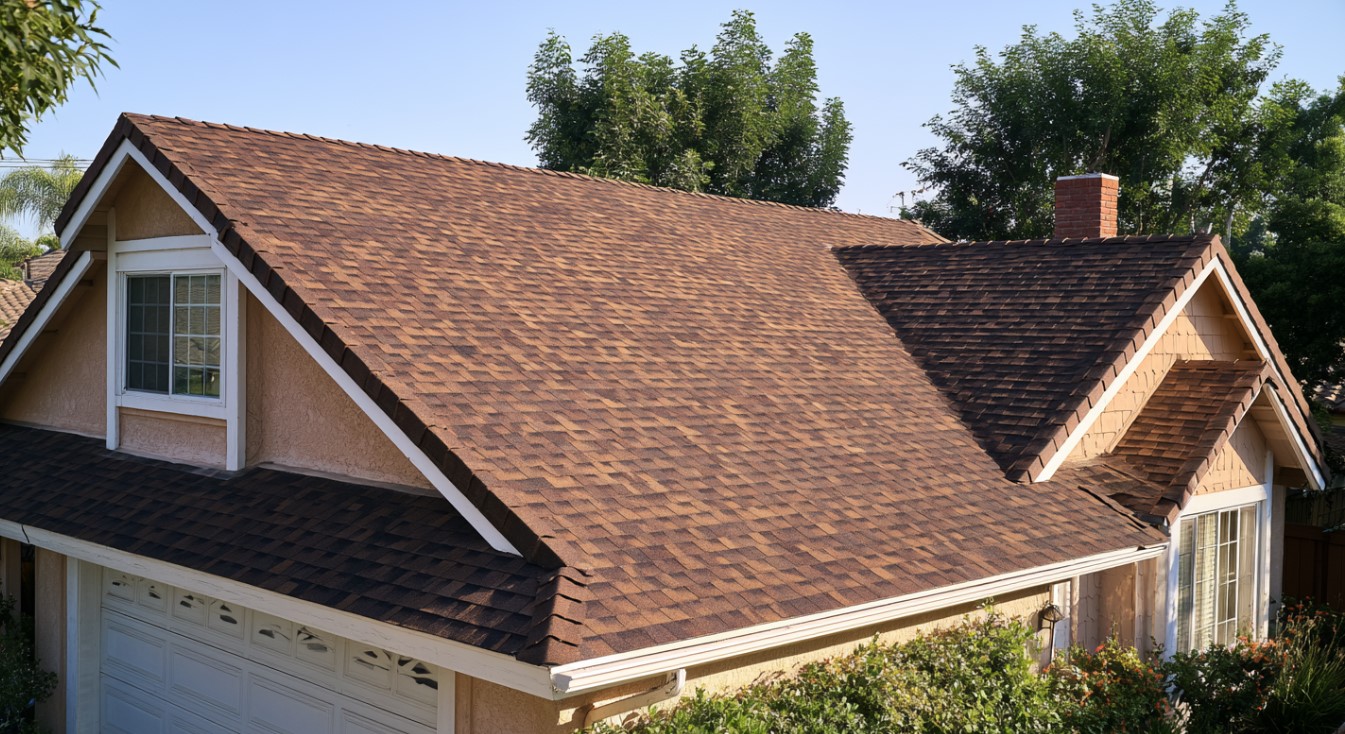
Preventing Summer Wear: Shingle Replacement and Heat Mitigation in Montgomery, AL
An educational guide for Montgomery homeowners on preventing summer roof wear, choosing energy-efficient replacement shingles, and optimizing attic ventilation to lower cooling costs.
August 10, 2026
Residential Roofing
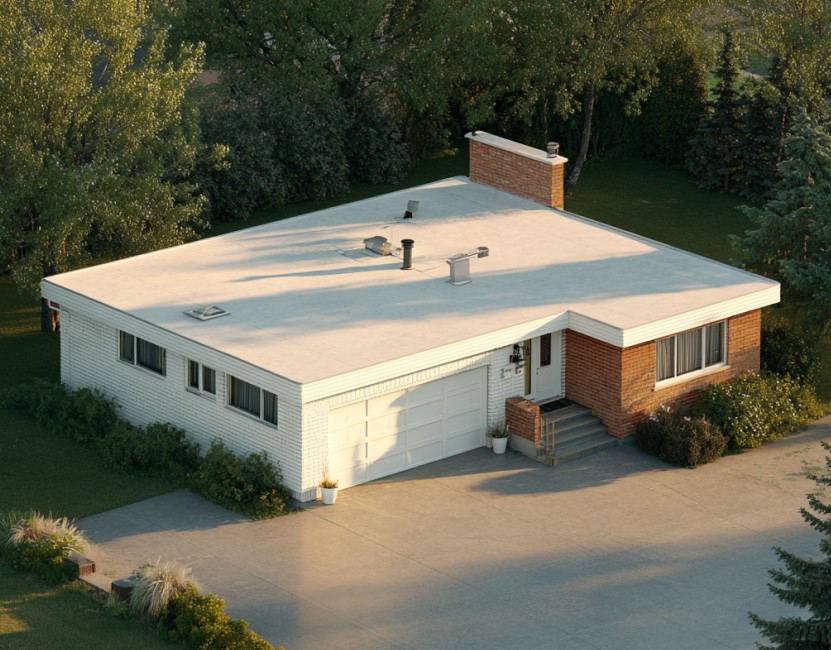
Residential Flat Roofing and Wind Resistance: What Montgomery Homeowners Need to Know
An educational guide for Montgomery homeowners explaining how residential flat roofing systems handle high-wind storms, wind-resistant roof repair options, and how to protect low-slope structures.
July 16, 2026