
Solving Moisture Problems: The Role of Soffit and Fascia Repair in Columbus
June 1, 2026
•
Written By
iGreen Solutions

When local storms roll through Columbus, homeowners naturally trust their shingles to protect them from the elements. However, the overall health of the roof depends on components that sit just below the roofline. Your soffits and fascia form a critical defense system that keeps water out and airflow moving properly. When these areas become damaged or worn, hidden moisture can settle in your attic, leading to rot and structural issues before you notice a single drip from your ceiling.
Managing this risk requires a solid understanding of how your roofline handles water. If your home has developed poor ventilation or shows signs of exterior wear, addressing these issues early is key. This guide will walk you through how these components work, what to look for during a home check, and when to consider professional support.
At iGreen Solutions, we help homeowners protect their investments with clear guidance and dependable exterior services.
Key Takeaways
- Soffits and fascia regulate attic airflow and prevent hidden moisture damage.
- Damaged roofline components often cause sagging gutters, rotted wood, and mold.
- Timely soffit repair extends the lifespan of your entire roofing system.
How Soffit and Fascia Support Your Columbus, GA Home
Your roof overhang features two main parts that work together to protect your home. The fascia is the vertical board that runs along the edge of your roofline, securing the gutters and sealing the ends of the wooden rafters. The soffit is the exposed, ventilated panel beneath the overhang that bridges the gap between your home’s exterior siding and the fascia board.
In Columbus, high humidity and sudden heavy downpours put constant stress on these sections. The primary job of a ventilated soffit is to draw cool air into the attic and push hot, damp air out through the top vents. Without this consistent circulation, heat and humidity accumulate in the attic, causing condensation to form against the wooden structure.
When moisture stays trapped, it can weaken the roof deck and compromise your insulation. Routine maintenance ensures these components remain unobstructed and intact, providing a balanced environment that protects your property from the top down.
What Are the Important Factors to Consider for Your Roofline?
Before scheduling any exterior updates, it helps to review your home's current condition and local weather risks.
- Climate Exposure: Columbus experiences intense summer heat and seasonal storms. High humidity accelerates wood decay if your ventilation paths are blocked or broken.
- Material Options: Modern materials offer different benefits. Aluminum and vinyl resist moisture better than traditional wood and require less ongoing maintenance.
- Gutter Stability: Your fascia board supports the weight of your entire gutter system. If the wood begins to soften, your gutters can pull away, causing overflow.
- Energy Efficiency: A well-ventilated attic keeps your home cooler. When soffit vents are clear, it reduces the load on your cooling system during hot months.
- Structural Integrity: Small gaps in your roofline invite pests such as squirrels and birds. These animals can block airflow and cause direct physical damage to your insulation.
If you suspect your ventilation is failing, a professional inspection can help identify exactly which components need attention.
Signs You Need Soffit and Fascia Repair
Catching problems early prevents small leaks from turning into major structural repairs.
Walk the Perimeter and Check the Wood
Look closely at the underside of your roof overhangs. If you notice peeling paint, cracking wood, or dark water stains, moisture is likely trapped behind the panels, indicating a need for fascia repair.
Check for Sagging Gutter Lines
If your gutters look uneven or lean forward, the underlying fascia board may be softening from water overflow. Secure fascia boards are required to keep gutters operating properly.
Monitor Attic Ventilation and Temperature
An unusually hot attic or an unexpected spike in monthly cooling costs may indicate that your soffits are blocked or damaged, preventing proper airflow through the space.
Look for Interior Wall Stains
Moisture problems often show up inside the home first. Check your upper interior walls and ceilings for bubbling paint or damp spots near the roofline.
Examine the Structure After Major Storms
Strong winds can lift or shift soffit panels, leaving your rafters exposed to wind-driven rain. Inspect these areas after heavy weather events to ensure everything remains secure.
Identifying these warning signs early helps you plan necessary adjustments before hidden issues worsen.

Yes, Soffit Repair Is Crucial for Moisture Control
Maintaining your roof overhangs is a direct way to avoid unexpected roof repair bills. Your roofline depends on clear paths and sturdy materials to protect your living space.
- Best Prevention Step: Regular gutter cleaning and annual roofline inspections.
- Most Common Issues: Rotted fascia boards, loose soffit panels, and blocked ventilation paths.
- Biggest Warning Sign: Sagging gutters, peeling paint along the roof edge, or mold in the attic.
If you notice these changes, an exterior evaluation can help determine whether simple repairs or targeted replacements are necessary.
Soffit and Fascia FAQ for Columbus Homeowners
What is the main purpose of a soffit and fascia system?
The fascia supports your gutters and seals the roof edge, while the soffit ventilates the attic and protects the underside of your roof overhang from weather damage.
How does a damaged soffit cause moisture damage inside a home?
When a soffit is blocked or broken, humid air becomes trapped in the attic. This creates condensation that can rot wooden framing and ruin ceiling insulation.
Can you complete a fascia repair without replacing the soffit?
Yes, if the soffit panels are still in good condition and free of rot, a contractor can replace or repair the damaged fascia board independently.
What are the most common signs that my home needs soffit repair?
Common signs include visible holes, sagging sections, pest activity in the attic, and water stains along the exterior walls of your property.
How often should I have my roofline and soffits inspected?
It is best to check your roofline at least once a year, ideally before the storm season begins, and immediately following any major wind or hail events.
Protect Your Home With Dependable Roofline Care
Moisture problems can quickly damage your property, but keeping your soffits and fascia in good condition helps keep your home secure. Taking care of small issues today protects your insulation, supports your gutters, and keeps your attic dry.
At iGreen Solutions, we provide detailed inspections, clear communication, and high-quality exterior repairs across the Columbus area. Schedule an inspection with our team today to ensure your roofline is prepared for any weather.
Recent Articles

Residential Roofing
Mold After a Roof Leak: What Georgia & Alabama Homeowners Should Know
Mold can take hold within 24 to 48 hours of a roof leak in Georgia and Alabama's humid climate. Here is how to spot it early and what real inspection and remediation involve.
September 16, 2026
Commercial Gutters
Protecting Your Commercial Property: PVC Gutters and Hail Damage in Montgomery, AL
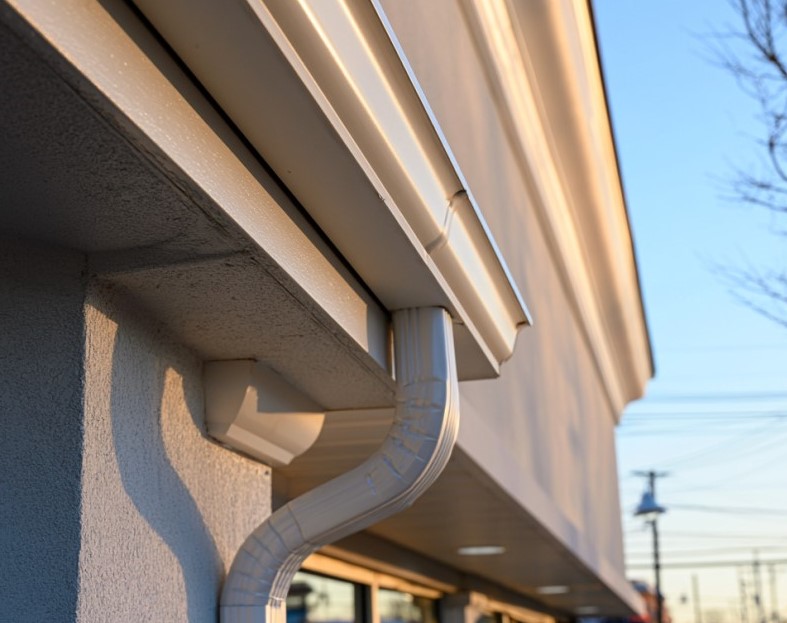
An educational guide for Montgomery property owners on how PVC gutters and commercial drainage systems withstand hail, prevent storm damage, and protect building foundations.
August 20, 2026
Residential Roofing
Preventing Summer Wear: Shingle Replacement and Heat Mitigation in Montgomery, AL
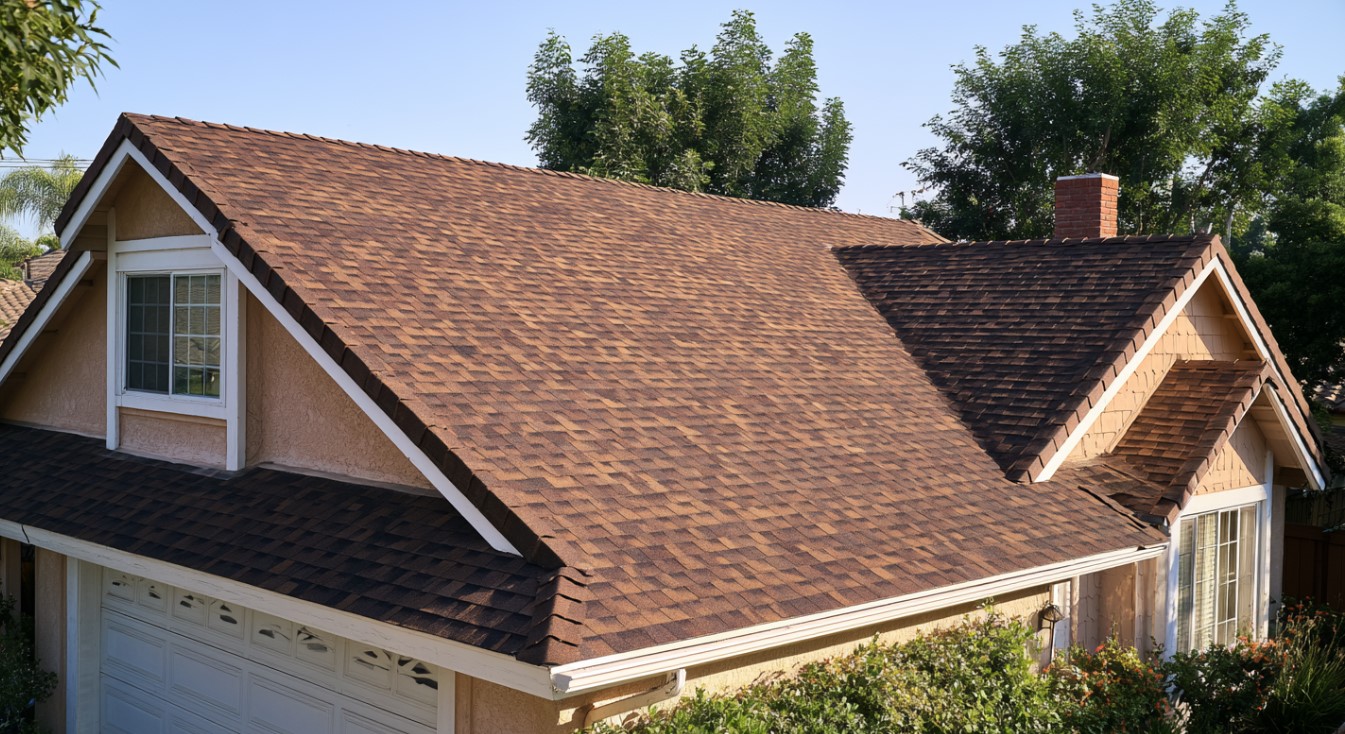
An educational guide for Montgomery homeowners on preventing summer roof wear, choosing energy-efficient replacement shingles, and optimizing attic ventilation to lower cooling costs.
August 10, 2026
Residential Roofing
Residential Flat Roofing and Wind Resistance: What Montgomery Homeowners Need to Know
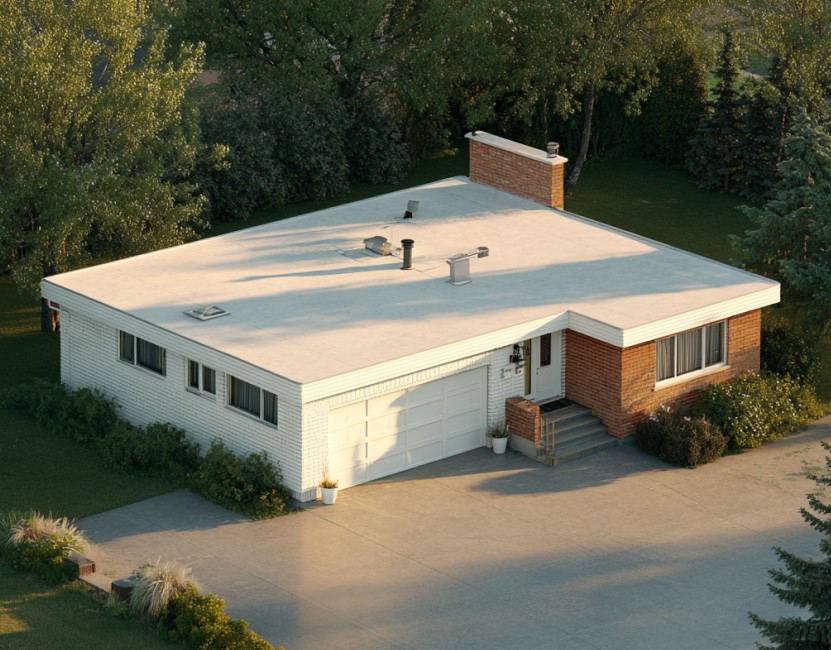
An educational guide for Montgomery homeowners explaining how residential flat roofing systems handle high-wind storms, wind-resistant roof repair options, and how to protect low-slope structures.
July 16, 2026