The Commercial Choice: Protecting Columbus Businesses with TPO Roofing from Wind Damage
April 6, 2026
•
Written By
iGreen Solutions
TPO Roofing for Wind Protection in Columbus Commercial Buildings
In Columbus, strong storms don’t just bring rain; they bring wind that can stress every part of a commercial roof. When seams lift or membranes fail, even small issues can turn into costly disruptions for your business.
That’s why many property owners are turning to TPO roofing for better wind resistance and long-term percformance. This single-ply membrane system is designed to handle exposure while supporting energy efficiency and durability.
If you manage a commercial property, this guide will help you understand how TPO performs, what to look for in a system, and how to make a confident decision. At iGreen Solutions, we guide business owners through every step with clear communication and dependable service.
Key Takeaways
- TPO roofing offers strong wind resistance when installed and maintained properly.
- Modern commercial roofing systems rely on membrane strength, seam integrity, and attachment methods.
- Long-term flat roof performance depends on both materials and contractor expertise.
How TPO Roofing Works for Columbus Commercial Properties
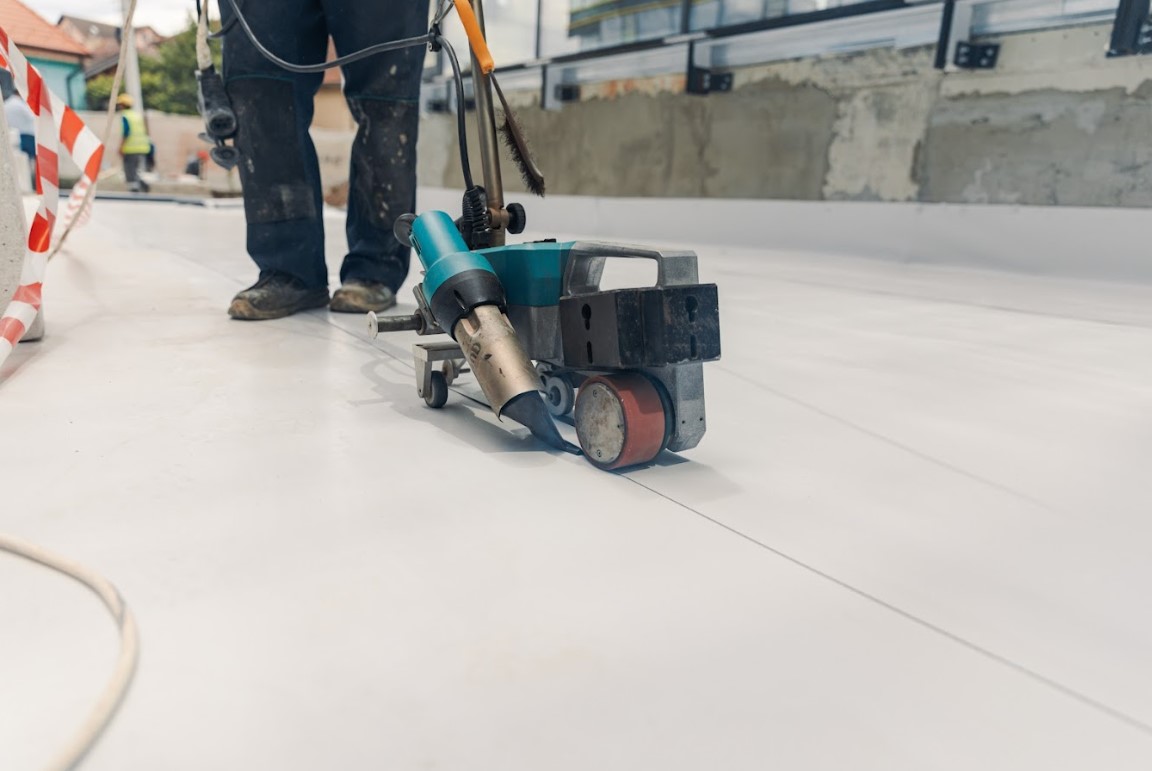
TPO roofing is a single-ply membrane system commonly used on flat or low-slope commercial buildings. It is made from thermoplastic polyolefin, a material designed to handle UV exposure, heat, and weather stress.
What sets TPO apart is how the seams are sealed. Instead of adhesives alone, seams are heat-welded together. This creates a continuous surface that helps resist water intrusion and reduces the chance of wind lifting the membrane.
In Columbus, where storms can bring sudden wind gusts, that seam strength matters. A properly installed TPO system creates a tight, durable barrier across the entire roof.
TPO also reflects sunlight, which can help reduce heat buildup inside the building. That can support energy efficiency while still maintaining strong protection against the elements.
What to Consider Before Choosing TPO Roofing for Your Building
Before moving forward with TPO roofing, it is important to look at the decision from a building owner’s perspective.
Building Use
How critical is uptime?
If your business cannot afford downtime, choosing a durable and well-installed system is essential.
Wind Exposure
How vulnerable is your property?
Open areas and taller buildings may need reinforced, wind-resistant roofing systems.
Attachment Method
How will the membrane be secured?
TPO can be mechanically fastened, fully adhered, or induction welded. Each method affects wind performance.
Maintenance Plan
Who will monitor the roof?
Routine inspections help catch seam or flashing issues early before they lead to larger failures.
Budget vs Lifecycle Cost
What is the long-term value?
Lower upfront costs may not always provide the best long-term flat roof performance.
Contractor Expertise
Who is installing the system?
TPO requires precision. Installation quality directly impacts durability and warranty coverage.
If you are unsure which setup fits your building, a professional inspection can help clarify your options.

How TPO Roofing Performs in High-Wind Conditions
TPO roofing is designed to perform well in wind when installed correctly. The system’s performance depends on how securely it is attached and how well the seams are welded.
Mechanically fastened systems use fasteners and plates to hold the membrane in place. Fully adhered systems bond the membrane directly to the substrate, which can improve wind uplift resistance in some cases.
Seam strength is one of the biggest advantages of TPO. Heat-welded seams create a continuous surface that helps prevent wind from getting underneath the membrane.
However, even strong systems can fail if installation is poor. Loose edges, weak flashing, or improper fastening patterns can create entry points for wind damage.
For most Columbus businesses, the goal is not just meeting minimum standards. It is choosing a system and installation approach that holds up through repeated storm cycles.
What TPO Roofing Reveals About Long-Term Flat Roof Performance
Strong Seams Help Maintain System Integrity Over Time
Heat-welded seams reduce separation risk, which is one of the most common failure points in flat roofing systems.
Installation Quality Shapes Real-World Performance
Even high-quality materials depend on proper installation. Poor workmanship can lead to early failure regardless of product quality.
Maintenance Extends The Roof’s Service Life
Routine inspections, debris removal, and drainage checks help prevent water buildup and membrane stress.
Energy Efficiency Adds Long-Term Value
TPO’s reflective surface can help reduce cooling costs, especially during hot Georgia and Alabama summers.
These factors show that TPO roofing is not just about installation; it is about how the system performs over the years of use.
Yes, TPO Roofing Is a Strong Choice for Wind-Exposed Commercial Roofs
For many commercial properties, TPO roofing offers a reliable balance of durability, efficiency, and cost control. When paired with the right installation method and maintenance plan, it can provide strong protection against wind damage.
- Best for Flat Roofs: TPO systems designed for low-slope commercial buildings
- Best for Wind Areas: Reinforced attachment methods and proper edge securement
- Biggest Warning Sign: Loose seams, bubbling membrane, or visible edge lifting
A professional inspection can help confirm whether TPO is the right fit for your building and identify any existing concerns.
TPO Roofing FAQ for Columbus Business Owners
Is TPO roofing good for commercial buildings in Columbus?
Yes, TPO roofing is a strong option for commercial buildings in Columbus because it provides durability, energy efficiency, and reliable flat roof performance.
How does TPO roofing handle high winds?
TPO roofing handles high winds through secure attachment methods and heat-welded seams that reduce the risk of membrane uplift.
How long does TPO roofing last on commercial roofs?
TPO roofing typically lasts 15 to 20 years, depending on installation quality, maintenance, and environmental exposure.
Is TPO roofing better than other commercial roofing systems?
TPO roofing can be better than some commercial roofing systems, depending on your needs, especially for energy efficiency and cost balance.
Does TPO roofing require regular maintenance?
Yes, TPO roofing requires regular inspections and maintenance to ensure seams, drainage, and flashing remain in good condition.
A Smarter Way to Protect Your Commercial Roof from Wind Damage
When strong winds hit Columbus, your roof is your building’s first line of defense. Choosing the right system can help you avoid costly disruptions and protect your operations.
At iGreen Solutions, we provide commercial roofing systems built on quality workmanship, clear communication, and long-term reliability. Our team guides you through inspection, planning, and installation so you can make the right decision with confidence. Schedule an inspection today and protect your property with a roofing system you can trust.
Recent Articles

Residential Roofing
Mold After a Roof Leak: What Georgia & Alabama Homeowners Should Know
Mold can take hold within 24 to 48 hours of a roof leak in Georgia and Alabama's humid climate. Here is how to spot it early and what real inspection and remediation involve.
September 16, 2026
Commercial Gutters
Protecting Your Commercial Property: PVC Gutters and Hail Damage in Montgomery, AL
An educational guide for Montgomery property owners on how PVC gutters and commercial drainage systems withstand hail, prevent storm damage, and protect building foundations.
August 20, 2026
Residential Roofing
Preventing Summer Wear: Shingle Replacement and Heat Mitigation in Montgomery, AL
An educational guide for Montgomery homeowners on preventing summer roof wear, choosing energy-efficient replacement shingles, and optimizing attic ventilation to lower cooling costs.
August 10, 2026
Residential Roofing
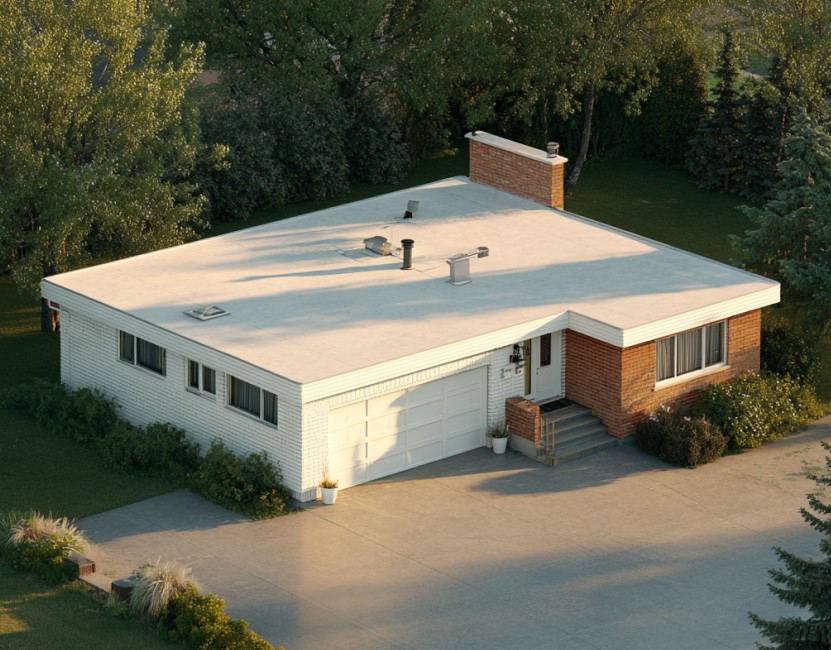
Residential Flat Roofing and Wind Resistance: What Montgomery Homeowners Need to Know
An educational guide for Montgomery homeowners explaining how residential flat roofing systems handle high-wind storms, wind-resistant roof repair options, and how to protect low-slope structures.
July 16, 2026