
Is Your Vinyl Siding Ready for High Winds? Inspection Tips for Columbus
May 11, 2026
•
Written By
iGreen Solutions
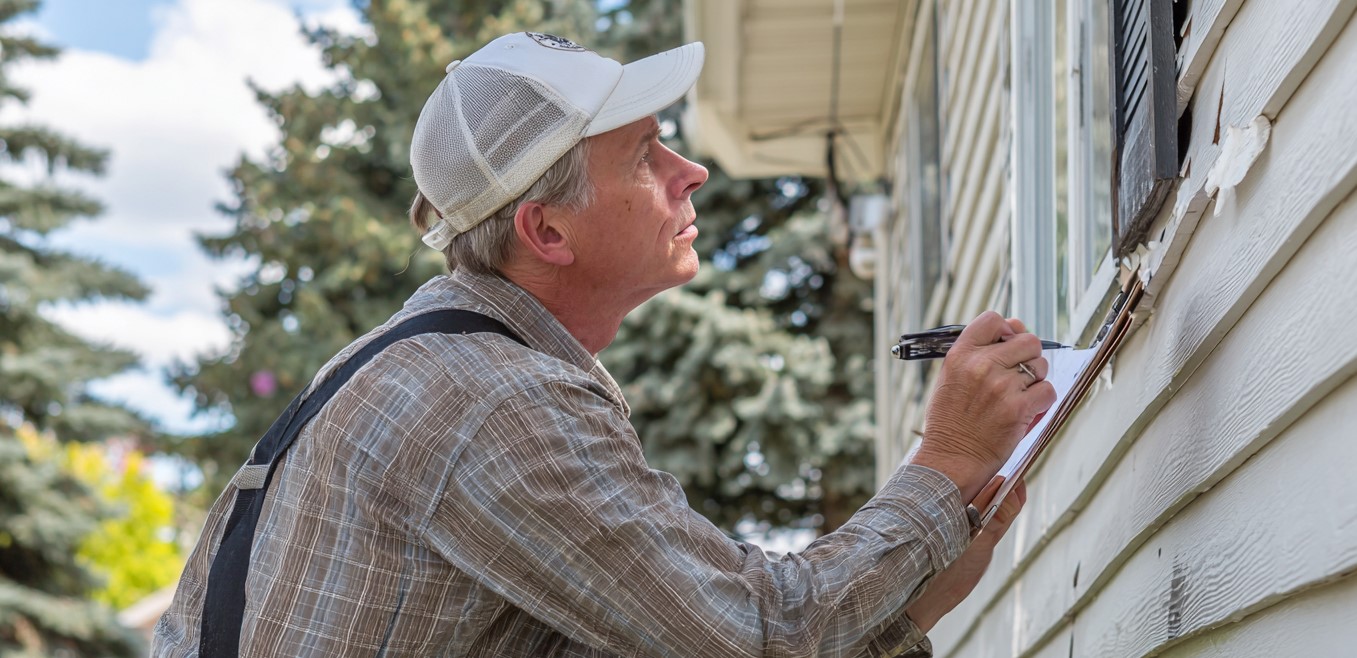
In Columbus, strong winds can show up fast and put your home’s exterior to the test. While roofs get most of the attention, vinyl siding often takes direct impact from wind-driven rain and debris.
If siding panels loosen or crack, your home becomes more vulnerable to moisture and hidden damage. The good news is that most issues can be caught early with a simple inspection.
This guide will walk you through what to check, what matters most, and when to consider siding repair. At iGreen Solutions, we help homeowners stay ahead of exterior problems with clear, practical guidance.
Key Takeaways
- Vinyl siding protects against wind and moisture but needs regular inspection.
- Wind damage siding issues often start with loose panels, cracks, or failed seals.
- A timely siding inspection helps prevent moisture intrusion and larger repairs.
How Vinyl Siding Holds Up Against Columbus Wind Conditions
Vinyl siding is designed to flex slightly with temperature changes and wind. That flexibility helps it resist cracking under normal conditions.
However, high winds can still cause problems. Strong gusts can pull panels loose, break locking tabs, or force water behind the siding if seams are not sealed properly.
In Columbus, wind often comes with heavy rain. This combination increases the risk of moisture getting behind siding panels, especially if the system already has small gaps or wear.
Because of this, routine inspections are important. Even well-installed siding can develop issues over time due to weather exposure and normal aging.
What to Check Before Wind Season Hits
A quick inspection before storm season can help you catch small issues early.
Look for Loose or Missing Panels
Panels should sit flat and secure. If you see sections lifting or shifting, wind can easily pull them free.
Check for Cracks and Warping
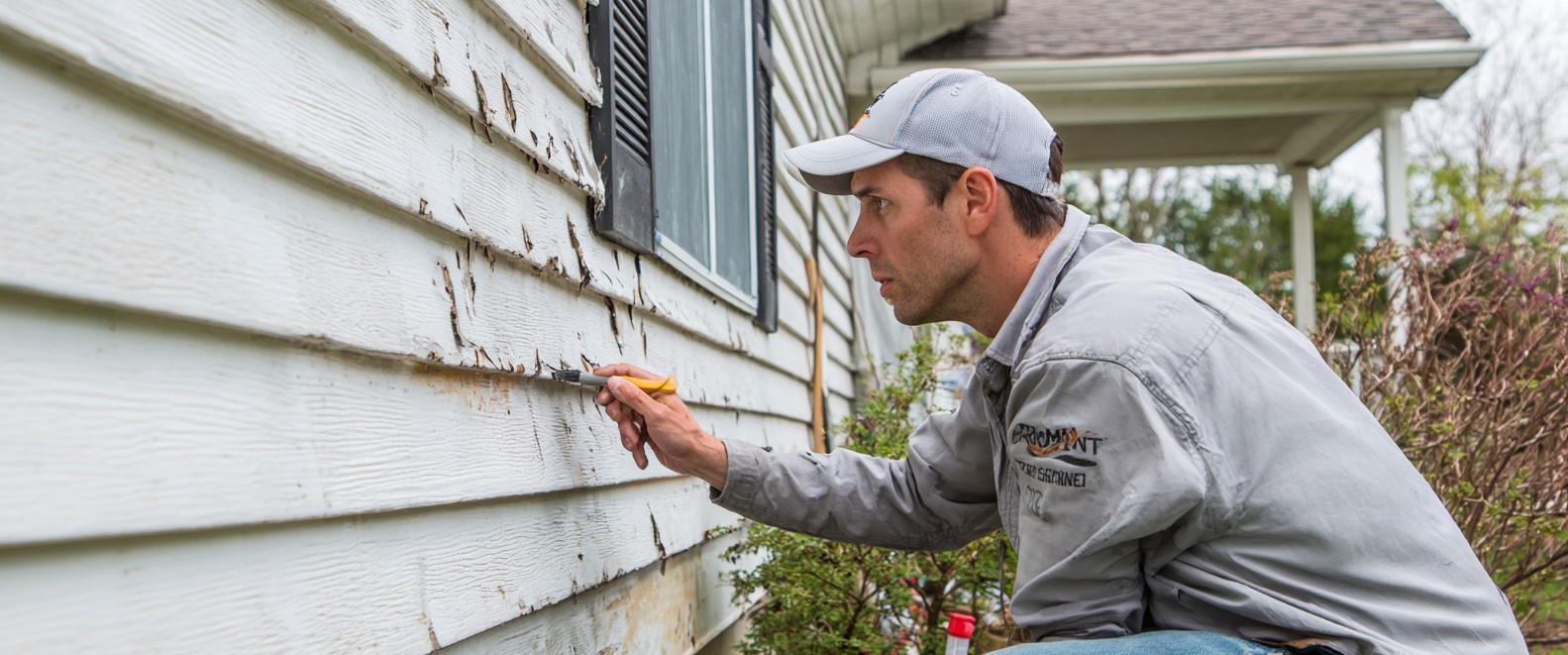
Cracks, dents, or warped panels weaken the siding and create entry points for water.
Inspect Seams and Joints
Pay close attention to corners, edges, and areas around windows and doors. These are common spots for failure.
Examine Caulking and Trim
Cracked or missing caulk can allow water intrusion. Trim pieces should be tight and properly sealed.
Look for Signs of Moisture
Check for bubbling paint, stains, or soft spots on interior walls near exterior siding.
If your siding is older, storm-exposed, or showing multiple signs of wear, consider a professional siding inspection for a more detailed evaluation.
Step-by-Step Vinyl Siding Inspection for Wind Damage
Walk the Exterior Perimeter
Start with a full walk around your home. Look at all sides, especially the direction that typically faces strong storms.
Check High and Hard-to-See Areas
Use binoculars if needed to inspect upper sections. Avoid climbing unless you have proper equipment.
Test Panel Movement
Gently press on panels. They should move slightly but not feel loose or disconnected.
Inspect Around Openings
Windows, doors, and vents are common weak points. Check for gaps, loose trim, or damaged seals.
Review After Every Major Storm
Even if everything looks fine, repeat inspections after strong wind events to catch new damage early.
These steps can help you identify the most common wind damage siding issues before they escalate.
What Vinyl Siding Inspection Reveals About Long-Term Protection
Small Issues Can Lead To Bigger Repairs
Loose panels and small cracks allow water behind the siding, which can cause hidden damage.
Moisture Intrusion Is The Biggest Risk
Once water enters, it can affect insulation, framing, and interior walls.
Installation Quality Affects Durability
Proper fastening, spacing, and sealing all play a role in how siding performs in high winds.
Maintenance Extends Siding Lifespan
Routine inspections and minor repairs help your siding last longer and perform better.
These insights highlight why proactive inspections are one of the most effective ways to protect your home.
Yes, Vinyl Siding Can Handle Wind; If It’s Maintained Properly
Vinyl siding is a reliable option for Columbus homes, but it depends on proper installation and regular upkeep to perform well in high winds.
- Best Prevention Step: Routine siding inspection before and after storms
- Most Common Issues: Loose panels, cracked sections, and failed seals
- Biggest Warning Sign: Interior moisture, drafts, or visible panel separation
If you notice repeated issues, it may be time to evaluate whether repairs or replacement are needed.
Vinyl Siding FAQ for Columbus Homeowners
How do I know if my vinyl siding is ready for high winds in Columbus?
Vinyl siding is ready for high winds if panels are secure, seams are sealed, and there are no cracks or loose sections.
What does wind damage to siding look like on vinyl siding?
Wind-damaged siding may include loose panels, cracks, missing sections, or gaps around edges and joints.
How often should I schedule a siding inspection?
A siding inspection should be done at least once a year and after major storms.
Can vinyl siding be repaired after wind damage?
Yes, vinyl siding can often be repaired by replacing damaged panels or securing loose sections.
When should I replace vinyl siding instead of repairing it?
Siding replacement may be needed when damage is widespread, panels are brittle, or repeated repairs are required.
Stay Ahead of Wind Damage With a Simple Siding Check
High winds are part of life in Columbus, but siding problems do not have to be. A quick inspection can help you catch issues early and avoid more serious repairs later.
At iGreen Solutions, we provide siding inspections, repairs, and full exterior solutions with clear communication and reliable workmanship. Schedule an inspection today and protect your home with confidence.
Recent Articles

Residential Roofing
Mold After a Roof Leak: What Georgia & Alabama Homeowners Should Know
Mold can take hold within 24 to 48 hours of a roof leak in Georgia and Alabama's humid climate. Here is how to spot it early and what real inspection and remediation involve.
September 16, 2026
Commercial Gutters
Protecting Your Commercial Property: PVC Gutters and Hail Damage in Montgomery, AL
An educational guide for Montgomery property owners on how PVC gutters and commercial drainage systems withstand hail, prevent storm damage, and protect building foundations.
August 20, 2026
Residential Roofing
Preventing Summer Wear: Shingle Replacement and Heat Mitigation in Montgomery, AL
An educational guide for Montgomery homeowners on preventing summer roof wear, choosing energy-efficient replacement shingles, and optimizing attic ventilation to lower cooling costs.
August 10, 2026

Residential Roofing
Residential Flat Roofing and Wind Resistance: What Montgomery Homeowners Need to Know
An educational guide for Montgomery homeowners explaining how residential flat roofing systems handle high-wind storms, wind-resistant roof repair options, and how to protect low-slope structures.
July 16, 2026