
Dealing with Disaster: Immediate Leak Repair and Tarping in Columbus After Hail
June 4, 2026
•
Written By
iGreen Solutions

When a severe hail storm cuts across the Columbus area, the impact on your home can be sudden and severe. Large hail stones can crack shingles, fracture roofing underlayment, and leave your entire property vulnerable to incoming weather. While it’s tempting to wait for a sunny day or an insurance adjuster to arrive before taking action, delaying your response is a critical mistake. Secondary water damage from an uncovered breach can quickly soak your attic insulation, rot your rafters, and trigger mold growth within just 24 to 48 hours.
Managing a roofing emergency requires fast, decisive action to stabilize your home. Securing a temporary barrier over the damaged areas is the single most effective way to protect your interior spaces from active leaks while permanent structural solutions are organized. This guide will cover what steps to take immediately after a storm, how temporary protection supports your insurance claim, and why professional assistance keeps your family safe.
At iGreen Solutions, we provide homeowners with honest guidance, clear communication, and dependable support during the storm recovery process.
Key Takeaways
- Emergency roof repair must begin quickly to prevent costly secondary water damage.
- Proper roof tarping fulfills your policy obligation to mitigate storm losses.
- Professional installation guarantees a secure, wind-resistant seal on damaged sections.
Why Fast Protective Action Matters After Hail Storms
When severe weather compromises your roof deck, the clock starts ticking against your home’s interior structural integrity. Moisture infiltration from missing shingles or hail punctures can quietly cause extensive damage long before you notice water dripping through your ceiling drywall. If water enters your attic space, wet insulation can lose a significant portion of its thermal efficiency, immediately driving up your energy costs.
Most homeowners insurance policies include a strict mitigation clause. This clause requires property owners to take reasonable, timely steps to protect the structure from further harm after an event occurs. If a roof leak is left uncovered for several days, an insurance provider may reject claims for the resulting interior water damage or mold remediation.
Using temporary protection demonstrates to your adjuster that you acted responsibly to preserve the property, making the subsequent insurance claims process smoother.
What Are Some Important Factors to Consider After Storm Damage?
Before addressing a compromised roofline, it helps to evaluate the situation safely from the ground and understand your immediate options.
- Safety Hazards: Avoid climbing onto a wet or storm-damaged roof structure. Hail-damaged shingles lose their grip granules, making the surface incredibly slick and dangerous.
- Material Durability: Professional-grade tarps are much thicker than standard retail options and feature woven reinforcement designed to resist tearing in high winds.
- Fastening Methods: Temporary covers must be properly anchored using wooden boards to create a tight seal. Simply weighing down a tarp with bricks or rocks will fail during the next gust of wind.
- Claim Documentation: Take clear photos of all visible exterior and interior damage from a safe vantage point before any temporary protective layers are installed.
- Long-Term Planning: Temporary cover is designed to last only a few weeks. It buys you essential breathing room to schedule a detailed inspection and map out permanent fixes.
If your home has been hit by recent severe weather, a professional assessment can help determine the quickest way to secure the structure.
Critical Steps for Securing Your Property
Taking organized steps in the hours following a storm minimizes your total repair costs and stabilizes your home environment.
Assess the Exterior Safely From the Ground
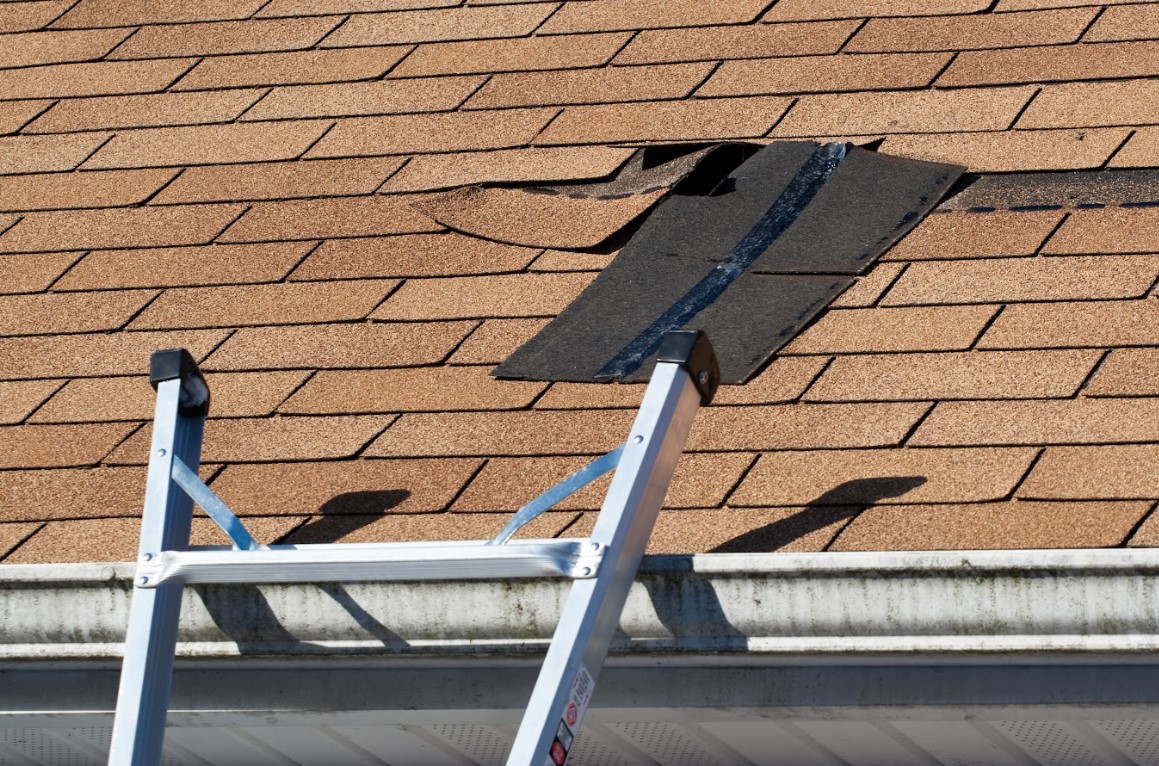
Use binoculars to check your roofline for obvious signs of damage, such as missing shingle sections, exposed wood, or dented metal flashing. Stay completely clear of any downed power lines.
Document Everything for Your Insurance Provider
Photograph all interior ceiling stains, wet attic spaces, and visible exterior damage. Detailed, timestamped records are invaluable when submitting a storm damage roofing claim.
Contact a Trusted Local Contractor Immediately
Reach out to professionals who can deploy quickly to repair roof leaks. Getting a team out fast helps to make sure your home gets covered before the next rain shower arrives.
Install a Heavy-Duty Roof Tarp
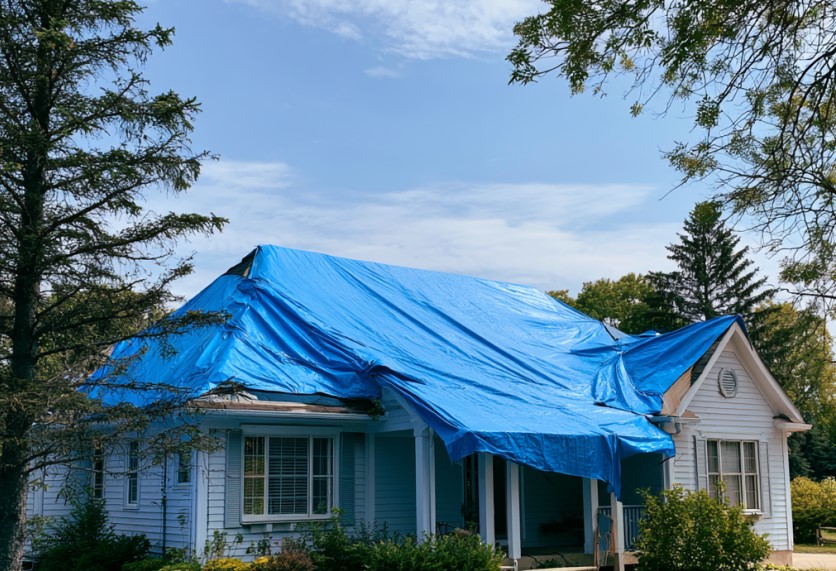
If structural damage is present, a heavy-duty tarp should be extended over the roof ridge and secured tightly with anchor boards to prevent water from running under the top edge.
Schedule a Comprehensive Post-Storm Inspection
Once the immediate leak risk is under control, arrange a thorough evaluation of the entire roof system to identify hidden hail damage that could shorten your shingles' lifespan.
Following this sequence helps keep your household safe while ensuring your insurance documentation remains accurate and complete.
Roof Tarping Is Absolutely an Essential First Response
Securing your roofline after a disaster is the smartest way to prevent widespread interior degradation. Temporary protection gives you the time needed to make calm, informed choices about your permanent home care.
- Best Prevention Step: Immediate installation of a reinforced cover over exposed decking right after a storm.
- Most Common Issues: Dislodged shingles, fractured underlayment, and torn flashing materials.
- Biggest Warning Sign: Water spots on upper ceilings, structural sagging, or visible wood exposure from the ground.
If severe weather has left your property exposed, arranging an immediate exterior check is the best way to safeguard your household.
Emergency Roof Repair FAQ for Columbus Homeowners
How long can an emergency roof tarp safely protect my home?
A professionally installed tarp can stay effective for several weeks, providing adequate protection while you finalize your insurance claim and schedule permanent roof leak repair.
Will my homeowners insurance cover the cost of emergency roof tarping?
Yes, most insurance policies cover temporary mitigation costs because these actions prevent much larger, more expensive interior water damage claims later.
Can I install a temporary roof tarp by myself using loose weights?
No, using bricks, sandbags, or loose rocks to hold down a tarp on a sloped roof is dangerous and ineffective. The material will slide off or blow away during high winds.
What does hail damage look like on an asphalt shingle roof?
Hail damage typically appears as dark, circular indents where roofing granules have been knocked away, exposing the fragile fiberglass mat underneath to sun and water.
Why shouldn't I wait for the insurance adjuster before covering my roof?
Waiting can allow additional rainstorms to damage your interior walls and insulation. Your policy requires you to take immediate action to mitigate ongoing water entry.
Regain Peace of Mind With Fast, Professional Support
Storm damage is stressful, but taking immediate control of the situation protects your family and your property value. Investing in fast emergency roof repair keeps moisture out, stops structural decay, and sets a strong foundation for your permanent insurance restoration.
At iGreen Solutions, we guide local property owners through every phase of storm recovery with clear communication, honest assessments, and quality workmanship. Schedule an inspection with our team today to get your home secure and get answers you can completely trust.
Recent Articles

Residential Roofing
Mold After a Roof Leak: What Georgia & Alabama Homeowners Should Know
Mold can take hold within 24 to 48 hours of a roof leak in Georgia and Alabama's humid climate. Here is how to spot it early and what real inspection and remediation involve.
September 16, 2026
Commercial Gutters
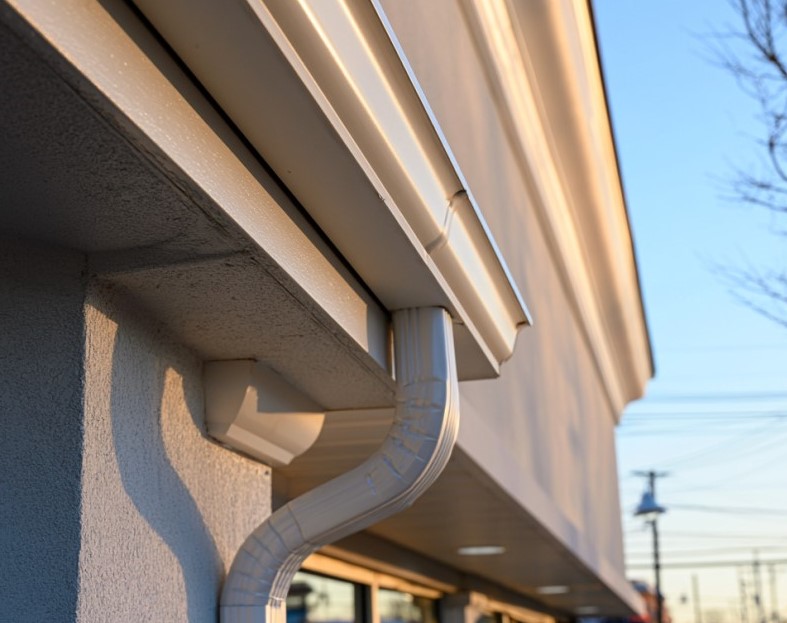
Protecting Your Commercial Property: PVC Gutters and Hail Damage in Montgomery, AL
An educational guide for Montgomery property owners on how PVC gutters and commercial drainage systems withstand hail, prevent storm damage, and protect building foundations.
August 20, 2026
Residential Roofing
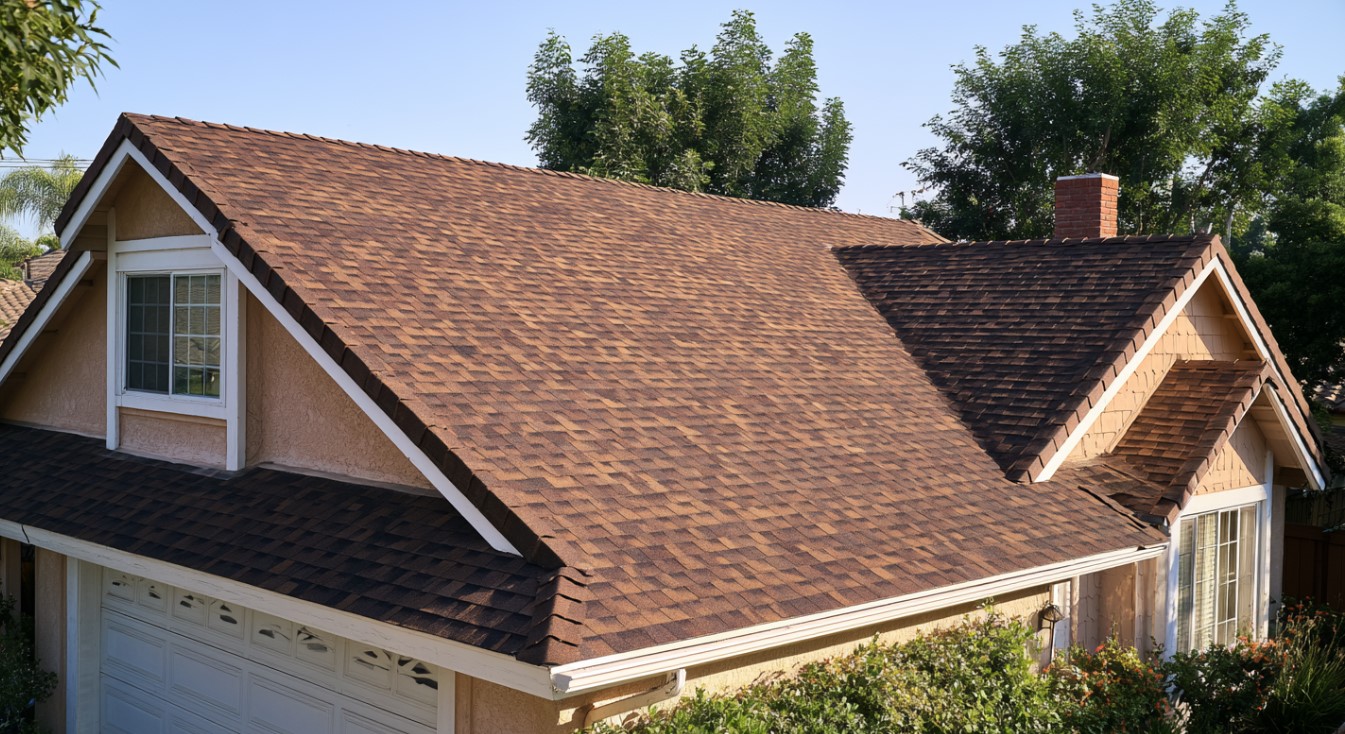
Preventing Summer Wear: Shingle Replacement and Heat Mitigation in Montgomery, AL
An educational guide for Montgomery homeowners on preventing summer roof wear, choosing energy-efficient replacement shingles, and optimizing attic ventilation to lower cooling costs.
August 10, 2026
Residential Roofing
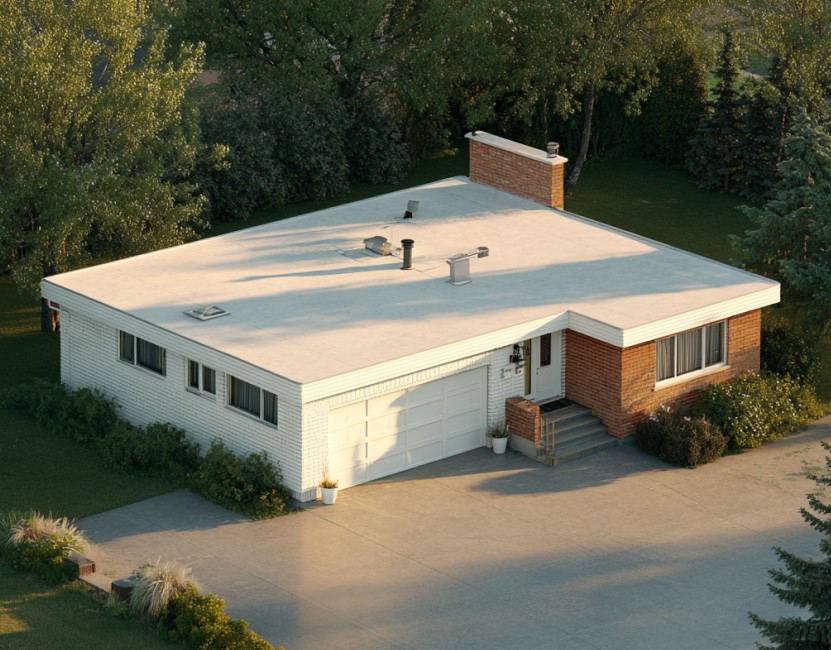
Residential Flat Roofing and Wind Resistance: What Montgomery Homeowners Need to Know
An educational guide for Montgomery homeowners explaining how residential flat roofing systems handle high-wind storms, wind-resistant roof repair options, and how to protect low-slope structures.
July 16, 2026