
Box Gutters for Commercial Properties: A Secure Solution Against Wind in Columbus
May 1, 2026
•
Written By
iGreen Solutions
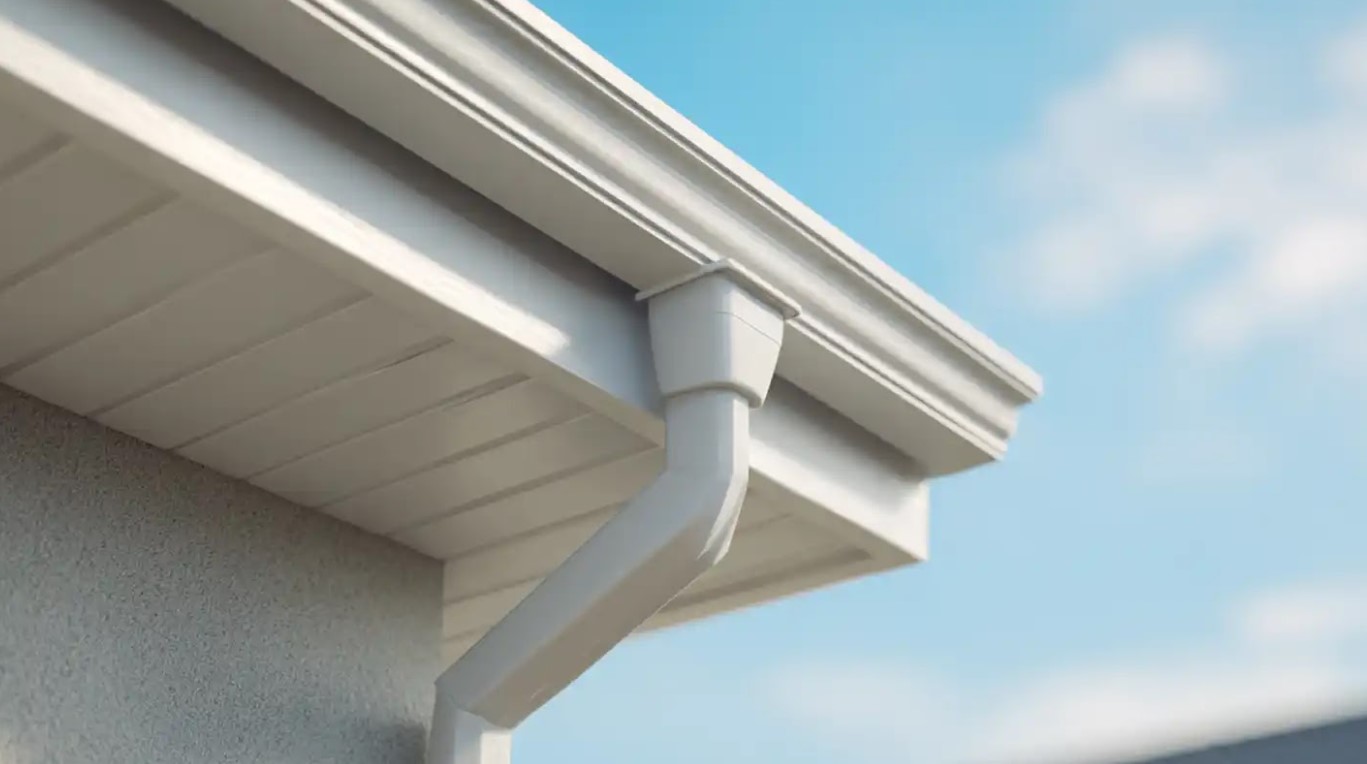
Strong winds in Columbus don’t just impact roofing systems; they put pressure on your entire drainage setup. When gutters can’t keep up, water backs up, overflows, or finds its way into the building.
That’s why choosing the right commercial gutters matters, especially for properties with flat or low-slope roofs. For many buildings, box gutters offer a built-in solution designed to handle both wind and heavy rainfall.
In this guide, we’ll break down how box gutters work, where they perform best, and how to decide if they fit your property. At iGreen Solutions, we help property owners choose systems that support long-term protection and reliable performance.
Key Takeaways
- Commercial gutters must handle both wind exposure and high water volume to protect buildings effectively.
- Box gutters offer high-capacity drainage and integrate directly into the roof structure.
- The right gutter systems depend on roof design, maintenance plans, and long-term ownership goals.
How Commercial Gutters and Box Gutters Work on Commercial Buildings
Commercial gutters are designed to move large volumes of water off the roof quickly and safely. Unlike residential systems, they must handle larger surface areas and more demanding conditions.
Box gutters are a specific type of commercial gutter system. Instead of hanging off the edge of the roof, they are built into the structure itself. This creates a concealed channel that collects and directs water to downspouts.
This design allows box gutters to handle more water than standard systems. That is especially important in Columbus, where storms can bring heavy rain along with strong winds.
Because they are integrated into the building, box gutters also maintain a cleaner exterior appearance. This is often preferred for commercial properties where curb appeal and design consistency matter.
Important Factors to Consider Before Choosing Commercial Gutters
Before selecting a gutter system, it helps to evaluate how your building operates and what it needs.
- Roof Design: Is your roof flat or sloped? Flat and low-slope roofs often benefit more from box gutters due to their capacity and integration.
- Water Volume: How much runoff does your building handle? Larger roofs require systems that can move water quickly without overflow.
- Wind Exposure: How exposed is the property? Wind-resistant drainage systems reduce the risk of water being pushed back under roofing components.
- Maintenance Plan: Can you commit to regular upkeep? Box gutters require consistent inspections to prevent hidden issues.
- Budget: What is your long-term investment plan? Integrated systems can cost more upfront but may offer longer service life.
- Building Use: What happens if a leak occurs? For some buildings, the risk of interior leaks may be a greater concern than the risk of exterior overflow.
A professional inspection can help match your building’s design and risk level to the right solution.
How Box Gutters Perform in Wind and Heavy Rain
Box gutters are designed to handle high water volumes, making them effective during heavy storms. Their larger capacity allows them to move water more quickly, reducing the risk of overflow.
In windy conditions, their integrated design offers an advantage. Because they are built into the structure, they are less exposed to uplift or movement compared to exterior gutter systems.
However, their performance depends heavily on maintenance. Debris buildup can block water flow, leading to standing water and increased pressure on the system.
Another important factor is how box gutters fail. When a standard gutter leaks, water typically runs down the exterior. When a box gutter leaks, water can enter the building's structure, leading to more serious damage.
For Columbus property owners, this means the system must be inspected regularly to maintain performance and prevent hidden issues.
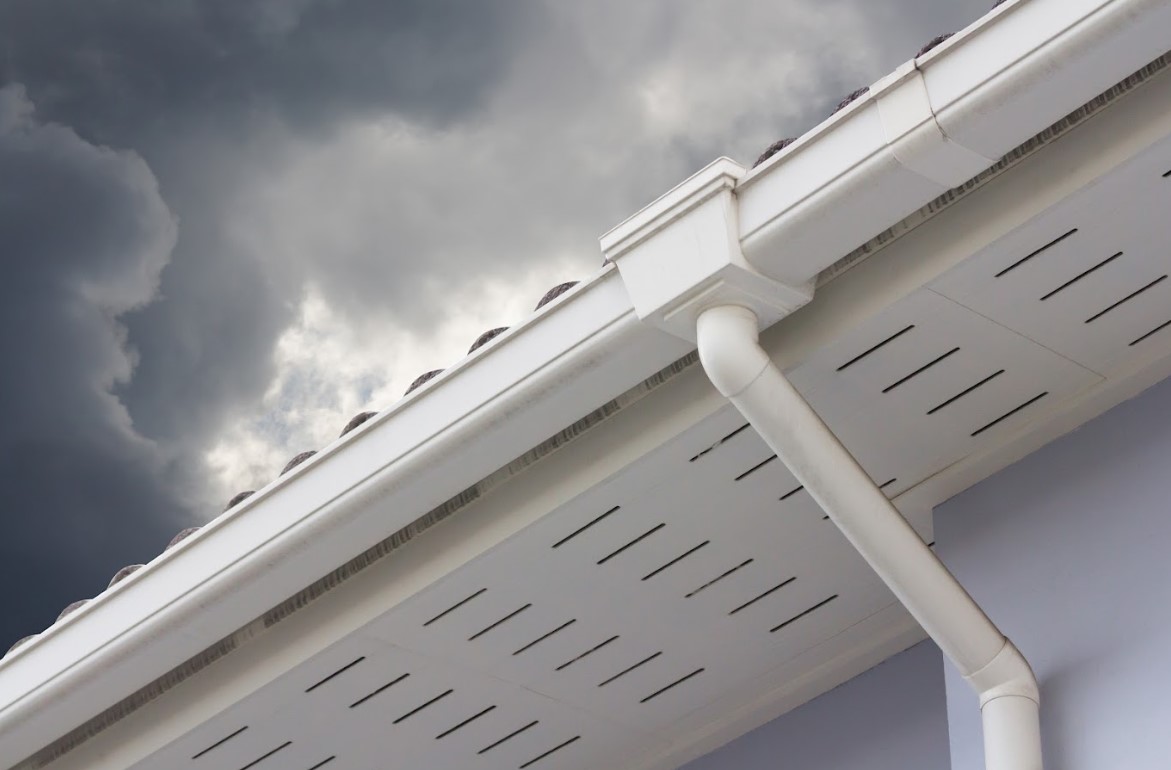
What Box Gutters Reveal About Long-Term Commercial Roof Drainage
High Capacity Supports Large Roof Areas
Box gutters are designed for commercial roof drainage, making them suitable for buildings with wide, flat surfaces.
Integrated Design Improves Wind Resistance
Because they are part of the structure, they are less affected by wind compared to external systems.
Maintenance Plays A Critical Role
Debris buildup and standing water can shorten the lifespan if not addressed through routine inspections.
Repairs Require Specialized Work
Since box gutters are built into the roof, repairs often involve roofing materials and skilled labor.
These details highlight an important point: box gutters are effective, but they require the right approach to maintenance and installation.
Yes, Box Gutters Are a Strong Option for Commercial Drainage, When Maintained Properly
For many commercial properties, box gutters offer a reliable way to manage water and reduce wind-related drainage issues. Their performance comes from both design and upkeep.
- Best for Flat Roofs: Integrated systems designed for commercial buildings
- Best for High Volume: Large roofs that require strong drainage capacity
- Biggest Warning Sign: Standing water, interior stains, or slow drainage
A professional inspection can help determine if your current system is working as intended or needs adjustment.
Commercial Gutters FAQ for Columbus Property Owners
Are commercial gutters necessary for flat roofs in Columbus?
Yes, commercial gutters are necessary for flat roofs in Columbus because they manage water flow and prevent pooling that can damage the structure.
What are box gutters in commercial gutter systems?
Box gutters are commercial gutters built into the roof structure, designed to handle large volumes of water through concealed drainage channels.
Do box gutters handle wind better than standard gutter systems?
Yes, box gutters often handle wind better because they are integrated into the building and less exposed to external forces.
How long do commercial gutters last on commercial buildings?
Commercial gutters can last 20 to 50 years, depending on materials, installation quality, and maintenance.
Are box gutters harder to maintain than other gutter systems?
Yes, box gutters can be harder to maintain because they are built into the structure and require regular inspections to prevent hidden issues.
Choose the Right Commercial Drainage System for Long-Term Protection
When storms hit Columbus, your gutter system plays a key role in protecting your building. Choosing the right system can help prevent water damage, reduce maintenance issues, and support long-term performance.
At iGreen Solutions, we guide property owners through every step with clear communication and quality workmanship. Whether you need a system upgrade or a professional inspection, our team is here to help. Schedule an inspection today and get answers you can trust.
Recent Articles

Residential Roofing
Mold After a Roof Leak: What Georgia & Alabama Homeowners Should Know
Mold can take hold within 24 to 48 hours of a roof leak in Georgia and Alabama's humid climate. Here is how to spot it early and what real inspection and remediation involve.
September 16, 2026
Commercial Gutters
Protecting Your Commercial Property: PVC Gutters and Hail Damage in Montgomery, AL
An educational guide for Montgomery property owners on how PVC gutters and commercial drainage systems withstand hail, prevent storm damage, and protect building foundations.
August 20, 2026

Residential Roofing
Preventing Summer Wear: Shingle Replacement and Heat Mitigation in Montgomery, AL
An educational guide for Montgomery homeowners on preventing summer roof wear, choosing energy-efficient replacement shingles, and optimizing attic ventilation to lower cooling costs.
August 10, 2026
Residential Roofing
Residential Flat Roofing and Wind Resistance: What Montgomery Homeowners Need to Know
An educational guide for Montgomery homeowners explaining how residential flat roofing systems handle high-wind storms, wind-resistant roof repair options, and how to protect low-slope structures.
July 16, 2026